Bombay High Court Orders CBI Probe Into Disha Salian Death Case
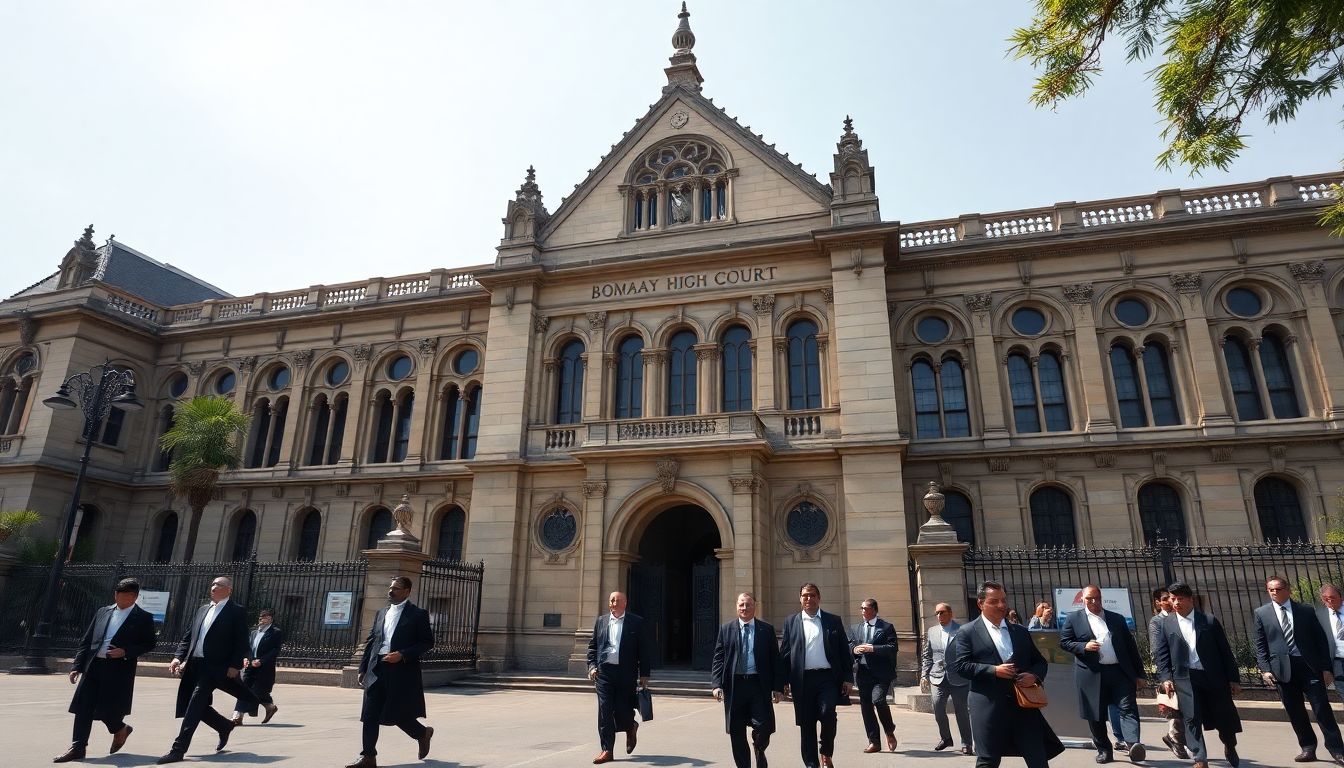
The Bombay High Court on Wednesday ordered the Central Bureau of Investigation to conduct a probe into the death of Disha Salian, stating that the prior investigation carried out by the police raised more questions than it answered. A division bench comprising Justices Sarang Kotwal and R R Bhonsale had reserved orders last Friday on a plea filed by Salian's father seeking an investigation into her death as a murder rather than a suicide or an accident.
The father's counsel, Nilesh Ojha, cited suspicious circumstances surrounding the incident, arguing before the court that her death was the outcome of a deep-rooted conspiracy involving powerful people. The judges instructed the central agency to interact with the family with sensitivity. In the judgment authored by Justice Kotwal, the bench also stressed that care should be taken so that no innocent person is harassed while ensuring that any actual offenders are made to face trial.
Following allegations made by Salian's father against Shiv Sena (UBT) leader Aaditya Thackeray, the politician intervened in the matter through senior counsel Sudeep Pasbola. Pasbola argued that the allegations were motivated by mala fide intentions and stated that Thackeray was neither directly nor indirectly connected with any alleged offence, adding that the CBI should not be directed to carry out a roving inquiry. Making no reference to specific individuals, the High Court held that nobody should be treated as an accused unless the investigating officer finds sufficient grounds of reasonable suspicion based on collected material.
The state and Pasbola suggested that the father could file a private complaint before a magistrate. Rejecting this, the bench observed that with inquiries stretching over nearly six years, it would be improper to direct the family back to a magistrate, who also lacks the power to order a CBI investigation. The bench held that police had sufficient opportunity but failed to register an First Information Report, conducting an inquiry that remained inadequate and insufficient.
CBI counsel Kuldeep Patil confirmed to the bench that the central agency had not investigated Salian's death prior to this order. During the proceedings, the bench reviewed the panchanama, photographs of the body, and inquiry documents, questioning whether the sustained injuries were consistent with a fall from such a height as well as noting details regarding her clothes. Counsel Hiray argued the injuries included a skull fracture consistent with a fall and noted that neither parent had raised suspicions in initial statements.
The court observed that the earlier inquiry was conducted under Section 174 of the erstwhile Criminal Procedure Code, which carries a limited scope to determine the cause of death under accidental death reports. The bench noted that such proceedings cannot continue indefinitely, ruling that the case requires a substantive investigation of a cognisable offence. The court directed the CBI to file a closure report if no offence is disclosed, granting Salian's father the right to protest any such closure.