Bombay High Court Rules Shared Auto Commute Is Not A Workplace Under PoSH Act

The Bombay High Court in Mumbai has ruled that a shared auto-rickshaw used by an employee to commute to work does not constitute a "workplace" under the PoSH Act, unless the transport is provided by the employer. In its June 22 order, a Division Bench of Justice Firdosh P. Pooniwalla and Justice Suman Shyam set aside an Internal Complaints Committee (ICC) order that had found a State Bank of India (SBI) employee guilty of sexual harassment.
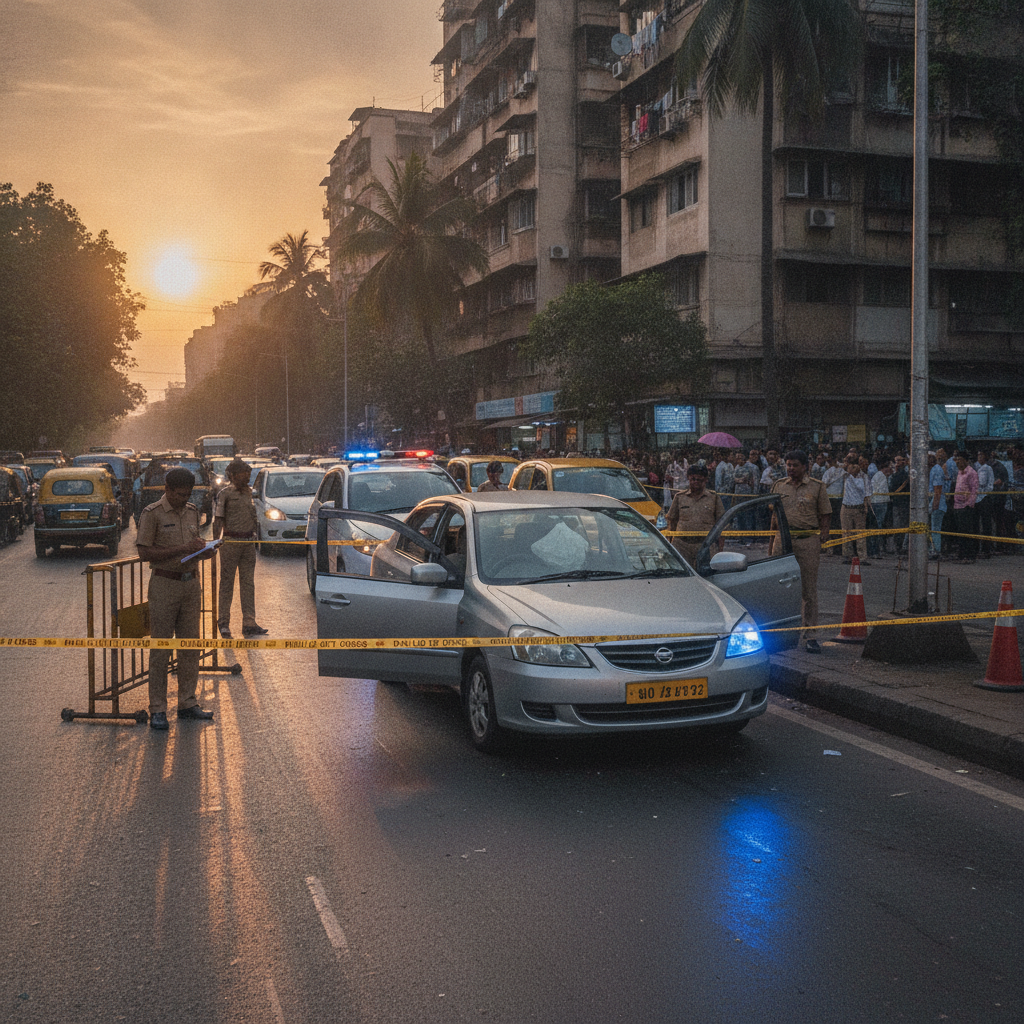
The case originated from an incident on March 24, 2023, when the petitioner, an SBI employee, was travelling to his office in a shared auto-rickshaw. Another passenger, identified as Respondent 3, was also in the vehicle. The petitioner stated that any physical contact between them was the result of overcrowding in the vehicle. However, Respondent 3 interpreted the contact as intentional, leading to an altercation.
During the altercation, Respondent 3 used pepper spray on the petitioner and contacted the police. The police subsequently detained the petitioner and registered a First Information Report (FIR) under Section 354-A of the Indian Penal Code, 1860. Respondent 3 also filed a sexual harassment complaint under the Sexual Harassment of Women at Workplace (Prevention, Prohibition and Redressal) Act, 2013 (PoSH) with the ICC.
The ICC subsequently found the petitioner guilty and recommended disciplinary action. The petitioner appealed the decision, and the High Court previously directed that no final order be passed on the appeal without its permission.
In its final ruling, the Division Bench examined whether the incident occurred at a "workplace" under Section 2(o) of the PoSH Act. The court noted that while the petitioner was travelling to his office, the transport was not provided by his employer or by Respondent 3's employer. Therefore, the shared auto-rickshaw did not fall under the definition of a workplace as outlined in Section 2(o)(v) of the Act.
The Bench held that because the alleged incident did not occur at a workplace, the ICC lacked the jurisdiction to entertain Respondent 3's complaint. The court declared the ICC's findings unsustainable and set the order aside.
The court clarified that it did not make a determination on whether the petitioner had sexually harassed Respondent 3, noting that this matter remains open for adjudication in other appropriate legal proceedings. The Bench added that an ICC must first establish whether an alleged incident occurred at a "workplace" before it can assume jurisdiction to conduct an inquiry.