Bullet train tunnel boring starts in Mumbai despite rain postponing official launch
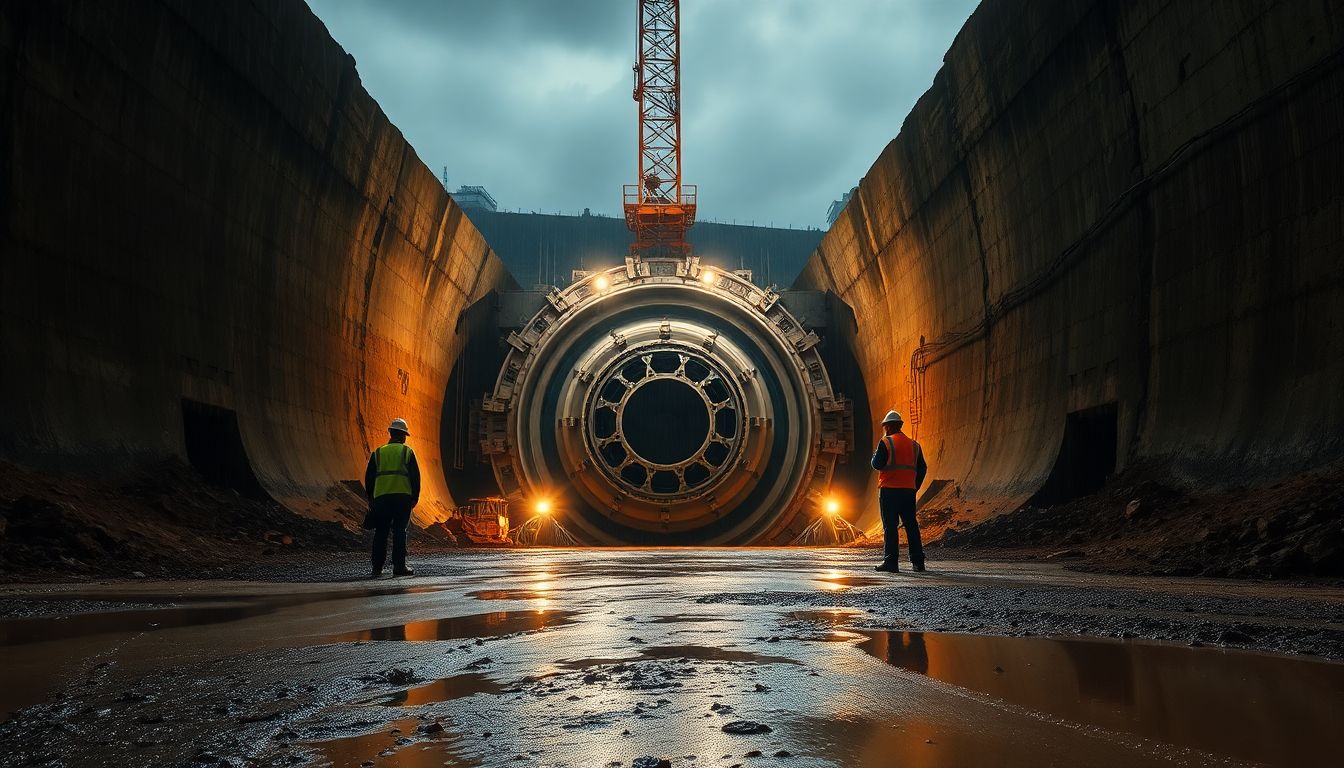
On Saturday, the Railway Ministry postponed the formal launch of the underground tunnel-boring work for the Mumbai-Ahmedabad bullet train project from Vikhroli to the Bandra Kurla Complex station due to heavy rains. Despite postponing the official Sunday ceremony, which was to be inaugurated by Railway Minister Ashwini Vaishnaw, authorities ordered the National High Speed Rail Corporation Limited (NHSRCL) to begin operations immediately to avoid project delays.
The decision followed a series of heavy rains in Mumbai, with the India Meteorological Department (IMD) issuing red and orange alerts for the area. To ensure the country's first high-speed rail project remains on schedule, officials bypassed the formal event and directed the immediate deployment of the tunnel boring machines (TBMs).
This phase of the project, executed by Afcons Infrastructure Limited, marks the first time a TBM is being used for the bullet train corridor. Afcons is constructing a 20.37-kilometer tunnel at a depth of approximately 65 meters below ground level, which includes a 7-kilometer undersea section. The single-tube tunnel will accommodate twin tracks for bi-directional traffic.
The first German-made TBM, imported via sea route from China in March 2026, will begin excavating a 5.8-kilometer stretch from Vikhroli toward the Bandra Kurla Complex station. A second TBM is currently being assembled at Sawli and is expected to be ready within a week to excavate a 9.7-kilometer section from Sawli to Vikhroli, which covers the undersea portion.
Each TBM features a cutter-head diameter of 13.6 meters, making them among the largest heavy machines used for any railway project in India. In comparison, standard urban metro TBMs typically measure 5 to 6 meters in diameter. Each machine is projected to excavate roughly 300 meters of tunnel per month, leading to a combined monthly progress of 600 meters once both are fully operational.
According to project officials, the entire tunnel stretch spans from the Bandra Kurla Complex to Shilphata. While the 15.4-kilometer portion between the BKC station and Sawli requires TBM excavation, the remaining 4.8-kilometer stretch from Sawli to Shilphata has already been completed using the drill-and-blast method. Construction will be supported by two shafts at Vikhroli and Sawli, alongside 39 equipment rooms built at 37 locations adjoining the tunnel.