Court Rejects Bail For Mankhurd Building Collapse Owner And Contractor
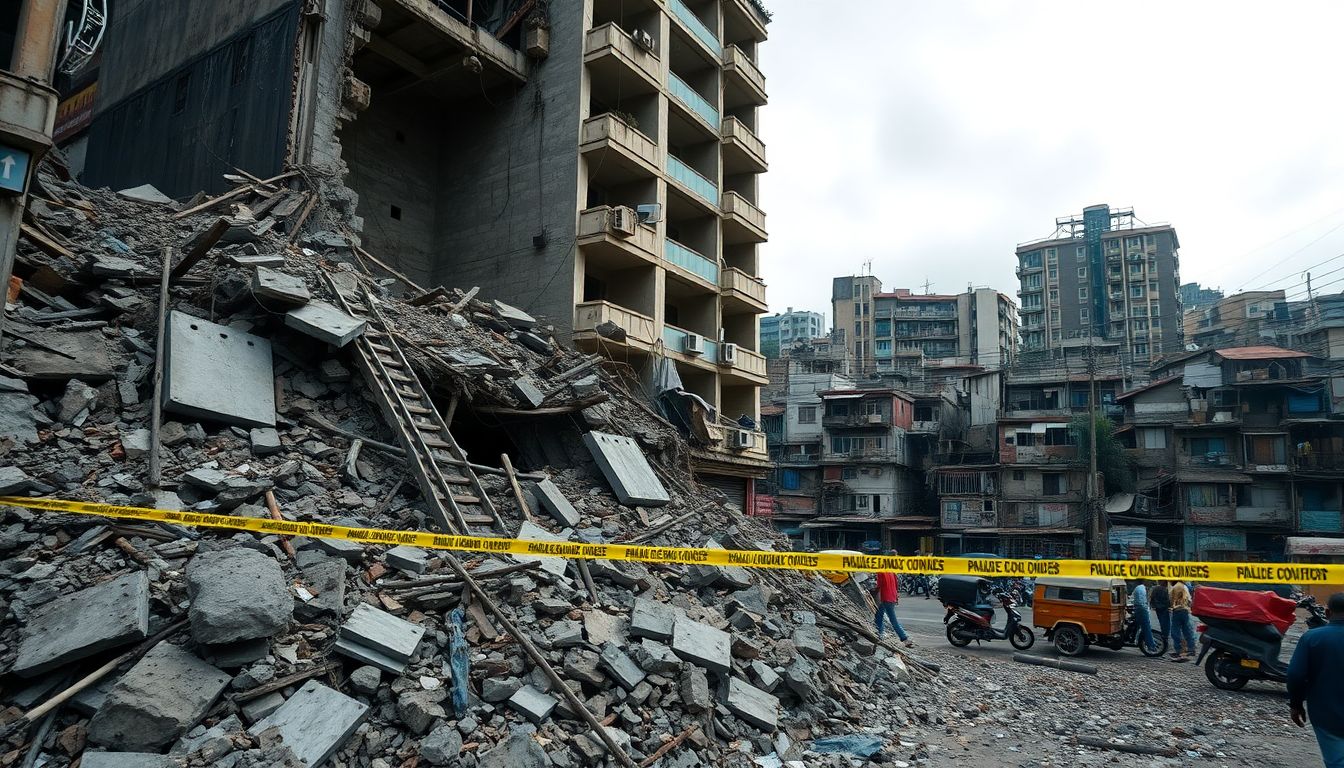
The Mumbai sessions court on Thursday rejected the anticipatory bail pleas of the alleged owner and contractor of an unauthorized four-storey building that collapsed in Mankhurd, killing six people on July 5. Additional Sessions Judge R.M. Jadhav denied pre-arrest protection to the alleged owner, Tayyeb Ali Yusuf Qureshi, and the contractor, Abdul Hakim Rahmatullah Idrisi, citing the gravity of the offense and evidence that they ignored repeated warnings about the structure's dangerous condition.
According to the prosecution, the building was illegally constructed approximately four years ago without permission from the competent authority. On the night of July 5, during heavy rain, the structure collapsed in Janta Nagar, Mankhurd, crushing an adjoining hut and bringing down part of a nearby settlement.
The collapse resulted in the deaths of six people, including the granddaughter of the informant, and left one person injured. Local residents reported that the building had started tilting earlier that day, which prompted some occupants to evacuate before it gave way.
In rejecting the pleas, Judge Jadhav noted that the investigation indicated both accused had been repeatedly warned about the building's unsafe condition but failed to take corrective measures. The court observed that the material on record demonstrated the applicant was time and again informed about the dangerous and dilapidated status of the disputed structure but paid no heed.
The judge also held there was prima facie evidence that the accused knowingly allowed the hazardous structure to remain standing despite the risk to human life. The court referred to an earlier incident where tiles from the building fell on a rickshaw driver, rendering him unconscious, which the accused had also been informed about.
In Idrisi's case, the court took note of the prosecution's claim that the contractor had absconded after the collapse and was evading arrest. Police alleged that Qureshi had the structure built with the help of Idrisi and his son. Given the nature and gravity of the offense, the court ruled that it was not a fit case for granting anticipatory bail.