Deonar Records Highest PM2.5 In Mumbai As Study Urges Hyperlocal Rules
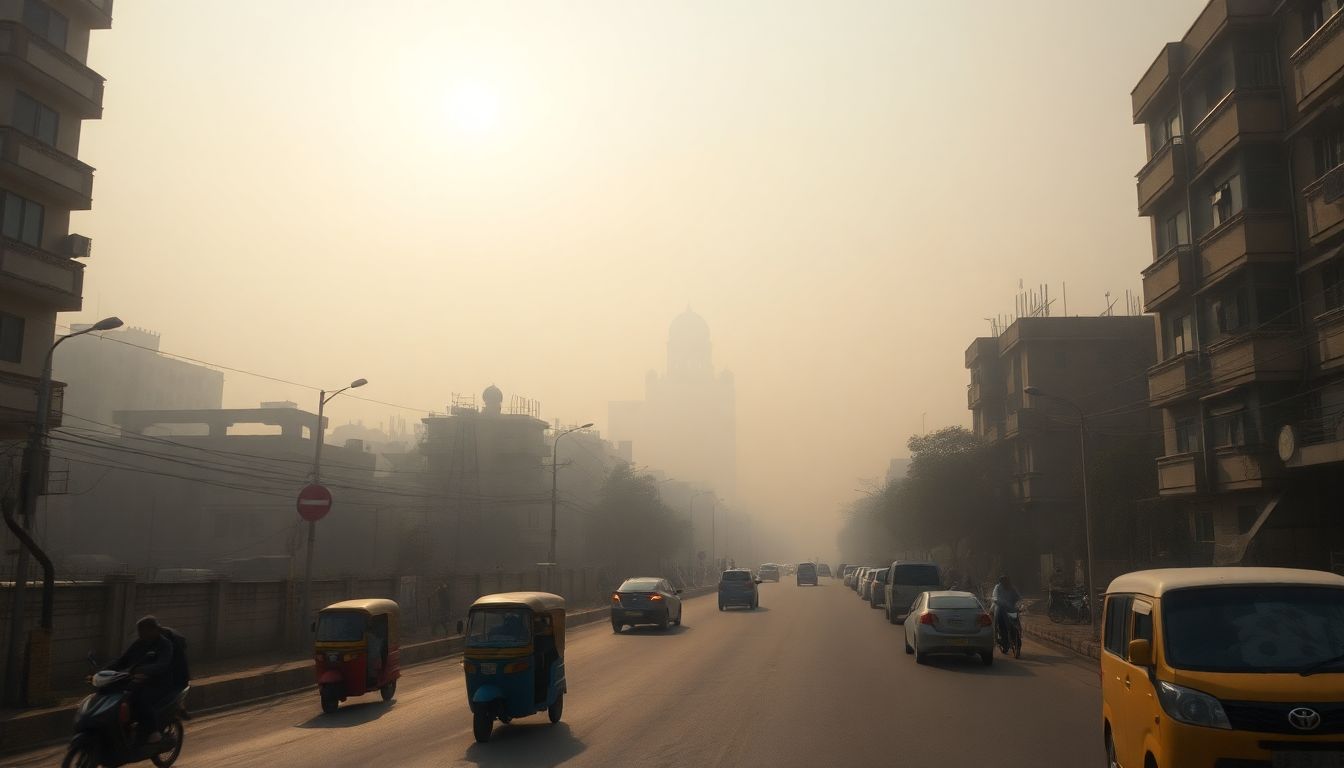
Deonar recorded Mumbai’s highest seasonal average PM2.5 concentration at 80 micrograms per cubic metre, followed closely by Shivaji Nagar and Malad West, according to an analysis of Central Pollution Control Board (CPCB) real-time data through January 31, 2025.
The findings, derived from a Centre for Science and Environment (CSE) analysis prepared with law firm Bharucha & Partners, revealed sharp pollution divides across neighbourhoods. While Deonar, Shivaji Nagar (76 µg/m³), and Malad West (75 µg/m³) saw elevated particulate levels, Borivali East recorded 29 µg/m³—a level roughly 2.8 times lower than Deonar.
Experts warned that city-wide average Air Quality Index (AQI) figures often mask severe localised exposure for residents living near landfills, industrial zones, construction sites, and busy traffic corridors. Justin Bharucha, managing partner at Bharucha & Partners, stated that the law supports required actions but implementation needs to catch up, calling for an AQI data spine with localised data sourcing and dissemination across the Mumbai Metropolitan Region.
The analysis also pointed out complications arising from third-party aggregator platforms, which sometimes use different scales such as the US EPA equivalent rather than CPCB breakpoints. For example, a monitoring station at Chembur Collector Colony recorded a US-scale AQI of 78 on August 17, 2026, while raw PM2.5 readings at Chembur Gaothan ranged from 12 to 124 µg/m³ that day, the upper end falling in CPCB's "Very Poor" category.
The report recommended that regulatory data be verified directly with the CPCB or the Maharashtra Pollution Control Board before publication. It urged authorities to establish targeted, neighbourhood-specific regulatory responses that address pollution sources and protect exposed communities rather than relying solely on municipal-level averages.