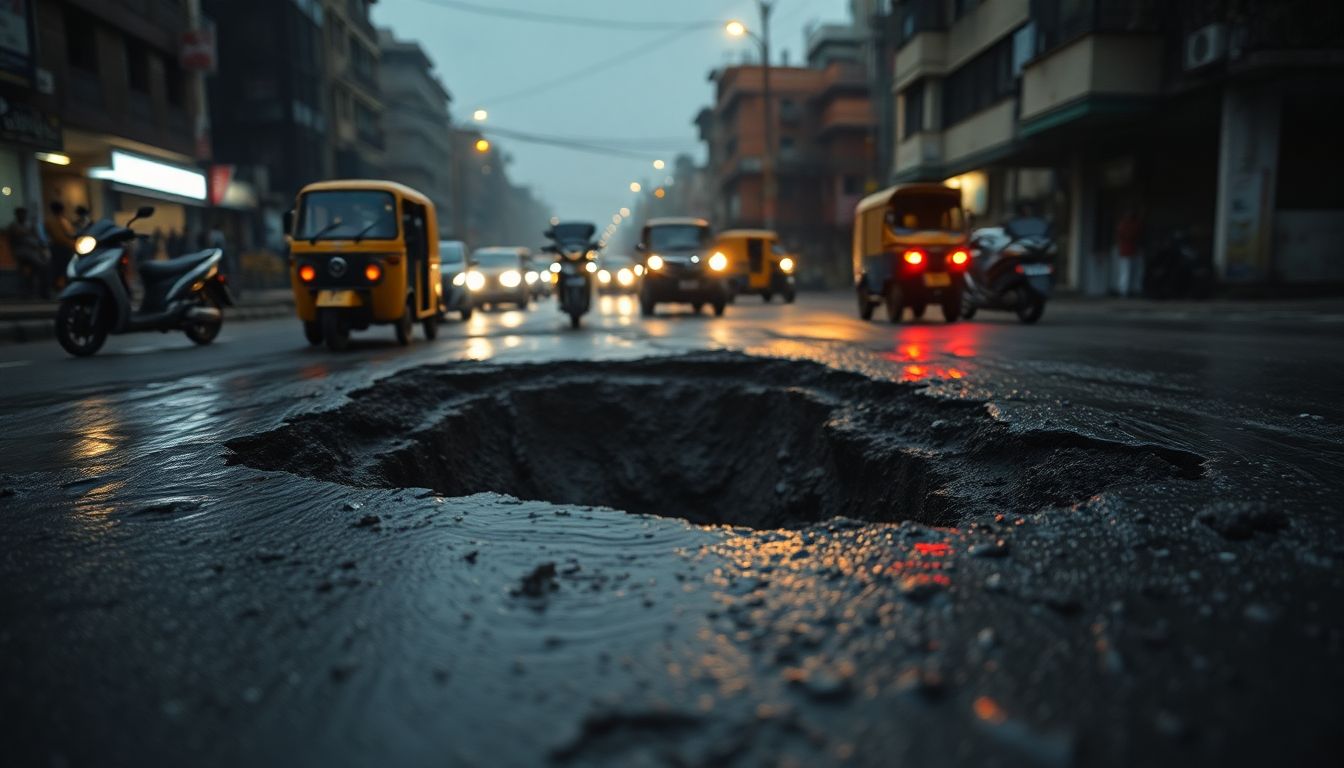
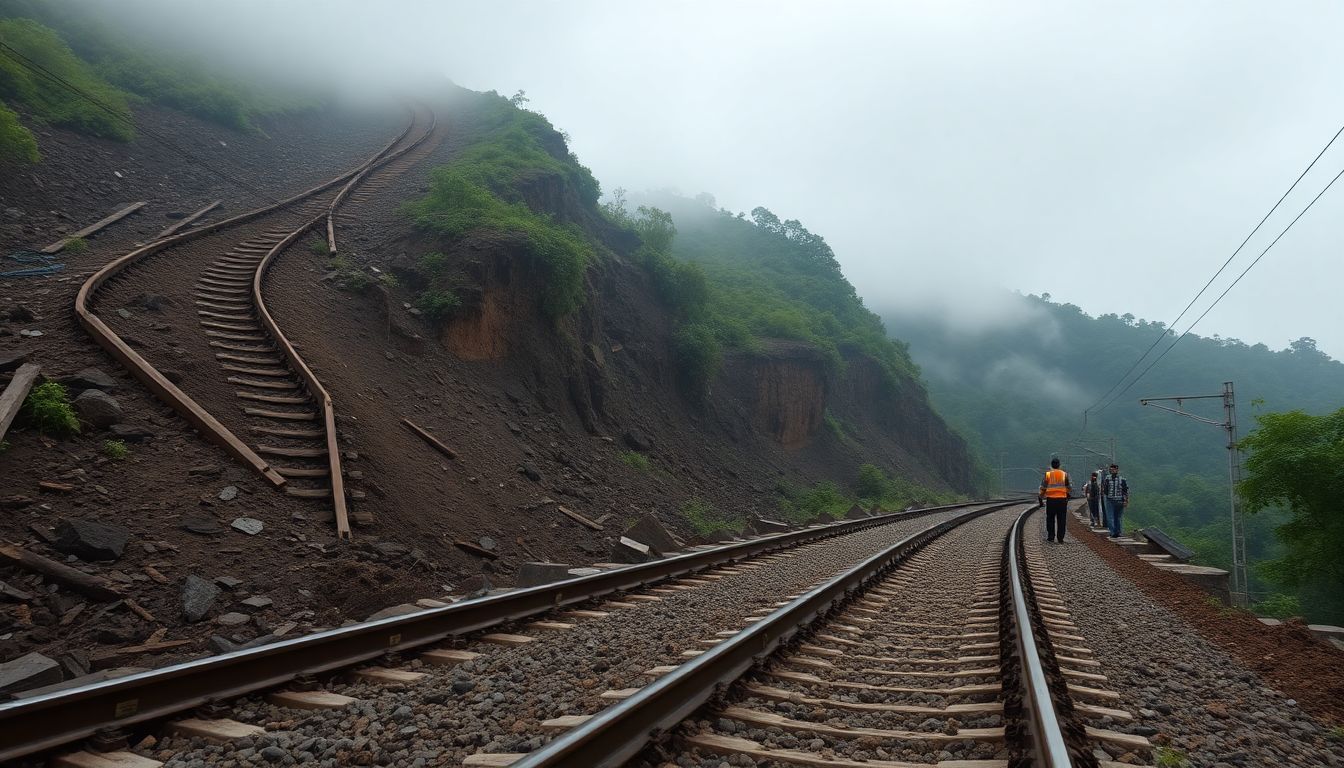
Heavy monsoon rains and flash floods hit Mumbai while Delhi faces dry spell

During this monsoon season, Mumbai experienced heavy rainfall, cloudbursts, and localized flash floods, contrasting sharply with a dry spell in Delhi. This stark regional disparity occurred as India started the season with an initial nationwide monsoon rainfall deficit of nearly 40 percent. While Mumbai's proximity to the Arabian Sea and active coastal weather systems triggered intense precipitation, the national capital struggled with a delayed and sluggish monsoon.
According to weather experts, the difference in rainfall between the two cities is rooted in geography and atmospheric systems. Mumbai, situated directly on the coast of the Arabian Sea, acts as a "front door" for moisture-laden winds. As these humid winds move inland and rise against the Western Ghats, they release large volumes of water over the city.
In contrast, Delhi lies roughly 1,400 kilometers inland from Mumbai. By the time monsoon clouds travel this distance, they have typically shed most of their moisture over other states, resulting in later and lighter showers.
Mahesh Palawat, Vice President of Meteorology & Climate Change at Skymet Weather, explained that an atmospheric trough extending from South Sindh to Odisha across North Maharashtra and Madhya Pradesh has driven the intense weather activities over Mumbai. Meanwhile, Delhi's rainfall depends on the movement of the monsoon trough, which has remained over Central India.
Environmentalist Siddhant Sarang pointed out that Mumbai currently benefits from an active weather system sitting off the west coast. This system organizes incoming sea winds into continuous, heavy rain. Delhi, however, has lacked such an organized system to turn moisture into rain.
The El Nino phenomenon has also contributed to the sluggish monsoon flow over northwest India. Palawat noted that warmer-than-normal temperatures in the central and eastern Pacific Ocean altered global atmospheric circulation, weakening the winds that transport moisture from the Arabian Sea and the Bay of Bengal. This delayed the advance of the monsoon to Delhi and reduced rainfall activity.
Sarang highlighted that this June was among the driest starts to the monsoon season the country has recorded since 1901, due to a delay in rain-bearing pulses and a failure of low-pressure systems to form. He warned that a dry June followed by intense July rains reflects the growing climate volatility that scientists have cautioned would become more common as oceans and the atmosphere warm.