Indian Real Estate to Remain Resilient Despite West Asia Crisis, CareEdge Says
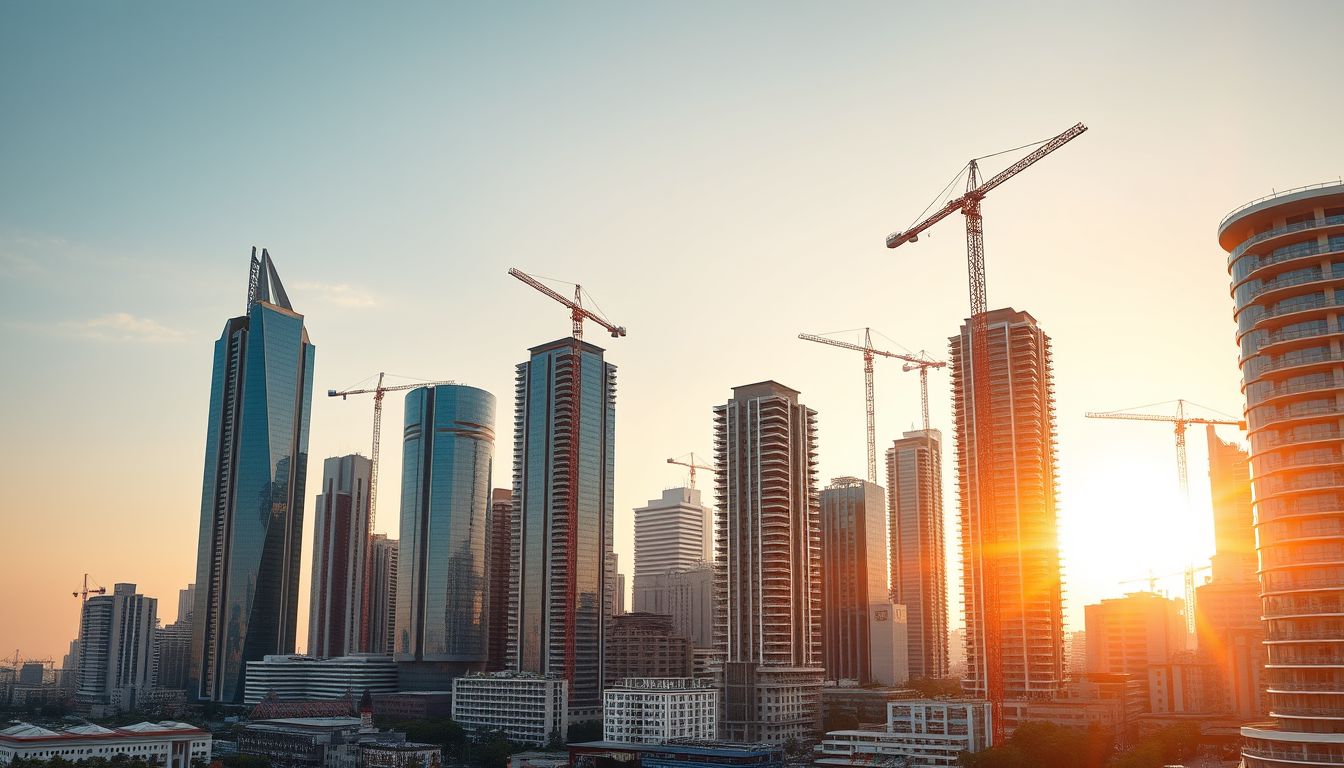
India's real estate sector is projected to maintain resilience despite uncertainties stemming from the West Asia crisis, supported by robust housing demand, healthier developer balance sheets, and steady institutional investments, according to a report released by CareEdge Ratings in Mumbai.
Residential sales across the country's top six cities are expected to remain broadly stable at approximately 3.55 lakh units for the calendar year 2026. In the first half of 2026, institutional investment in Indian real estate reached between $3.5 billion and $4 billion, with commercial assets capturing the largest share of funding due to the continued expansion of Global Capability Centres and strong demand for office space.
However, the ratings agency noted that the impact of the geopolitical conflict will vary by segment. Rising Brent crude prices, which increased from around $72 per barrel prior to the conflict to nearly $117 per barrel at its peak, have elevated fuel, logistics, and raw material costs. A prolonged crisis could push construction costs up by 2% to 3%, potentially squeezing developer margins on early-stage construction projects.
“While the geopolitical situation in West Asia remains a key monitorable, the near-term impact on the Indian real estate sector is expected to remain limited. Healthy demand, resilient premium housing and stable leasing activity across commercial real estate should support the sector's overall performance,” said Rajashree Murkute, Senior Director at CareEdge Ratings.
Market performance remains uneven across price categories. While affordable housing faces headwinds from inflation and buyer sensitivity to interest rates and construction costs, premium and luxury properties continue to experience steady demand from high-net-worth individuals, affluent domestic buyers, and non-resident Indians.
Commercial real estate continues to be anchored by high occupancy levels, long-term lease agreements, and contractual rental escalations. For 2026, gross absorption of Grade A office space across the top six cities is estimated to surpass 90 million square feet. In the industrial and warehousing sector, vacancy is projected to stay contained at around 11% by the end of 2026, driven by e-commerce and manufacturing activity.
CareEdge Ratings Director Divyesh Shah noted that developers are entering this phase with stronger balance sheets and better liquidity than in previous cycles, leaving large organized players well-positioned to absorb cost pressures, while smaller, highly leveraged firms could face financial strain.