ITAT Rules Redeveloped Flat Sale Qualifies for Long-Term Capital Tax Relief
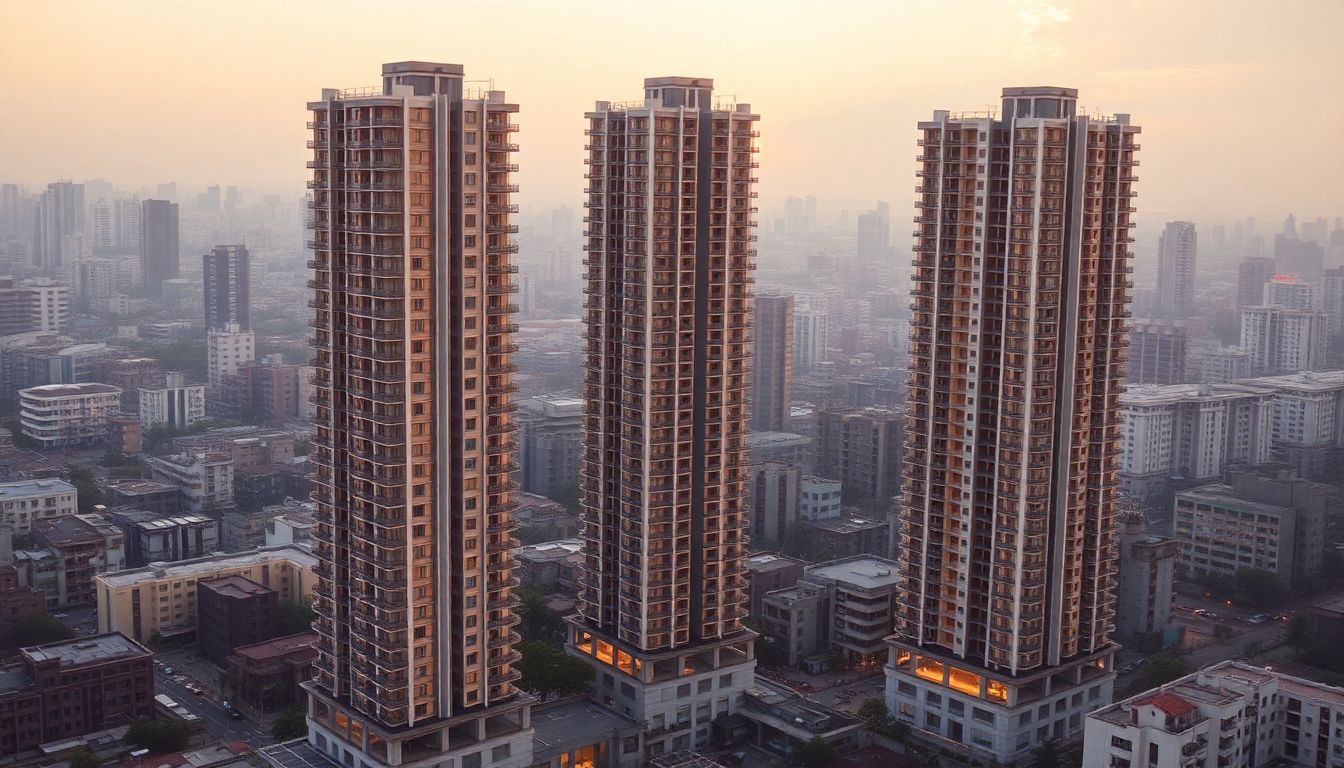
The Mumbai bench of the Income Tax Appellate Tribunal (ITAT) ruled that capital gains from the sale of a flat received under a redevelopment scheme qualify as long-term capital gains, granting tax exemption under Section 54F of the Income-Tax Act, 1961. The order came during a hearing for an appeal filed by Mumbai resident Rajesh Shamji Furia and his wife after tax officials rejected their claim for tax relief on a flat sold in 2018 for Rs 1.95 crore.
The matter involved a 510-square-foot flat that Furia originally purchased in 2006. The property later entered a redevelopment project under a development agreement executed on February 15, 2013. Under the scheme, Furia became entitled to a redeveloped flat that included his original area, a 30 percent additional area without consideration, extra area purchased from the developer, and 185 square feet received as a gift from his mother.
After selling the redeveloped flat for Rs 1.95 crore in 2018, Furia claimed a tax exemption under Section 54F of the Income-Tax Act, which allows taxpayers to avoid tax on long-term capital gains if the proceeds are reinvested in a residential house within prescribed timelines.
However, the Assessing Officer treated the redeveloped property as an entirely fresh capital asset and taxed the proceeds as short-term capital gains. The officer added Rs 80.14 lakh to the taxpayer's income while denying indexation benefits and Section 54F relief. This decision was subsequently upheld by the Commissioner of Income Tax (Appeals), prompting Furia to appeal to the tribunal.
A tribunal bench consisting of Judicial Member Siddhartha Nautiyal and Accountant Member Vikram Singh Yadav rejected the assessment approach. The bench stated that a redevelopment scheme does not result in the extinguishment of an owner's proprietary rights followed by the acquisition of an altogether fresh capital asset, observing that existing ownership rights continue and merely undergo substitution from the old structure to the new premises.
The tribunal also noted that a Permanent Alternate Accommodation Agreement does not create ownership for the first time, but records the premises allotted in substitution. The bench observed that even if the holding period was calculated from the February 2013 development agreement, the property was held for almost five years prior to the 2018 sale.
Setting aside the earlier decisions, the tribunal directed the removal of the Rs 80.14 lakh addition made by the Assessing Officer and ordered that the indexed cost of acquisition be allowed to grant the exemption under Section 54F.