JJ Hospital Launches India's First Government AI Digital Vision Therapy Centre
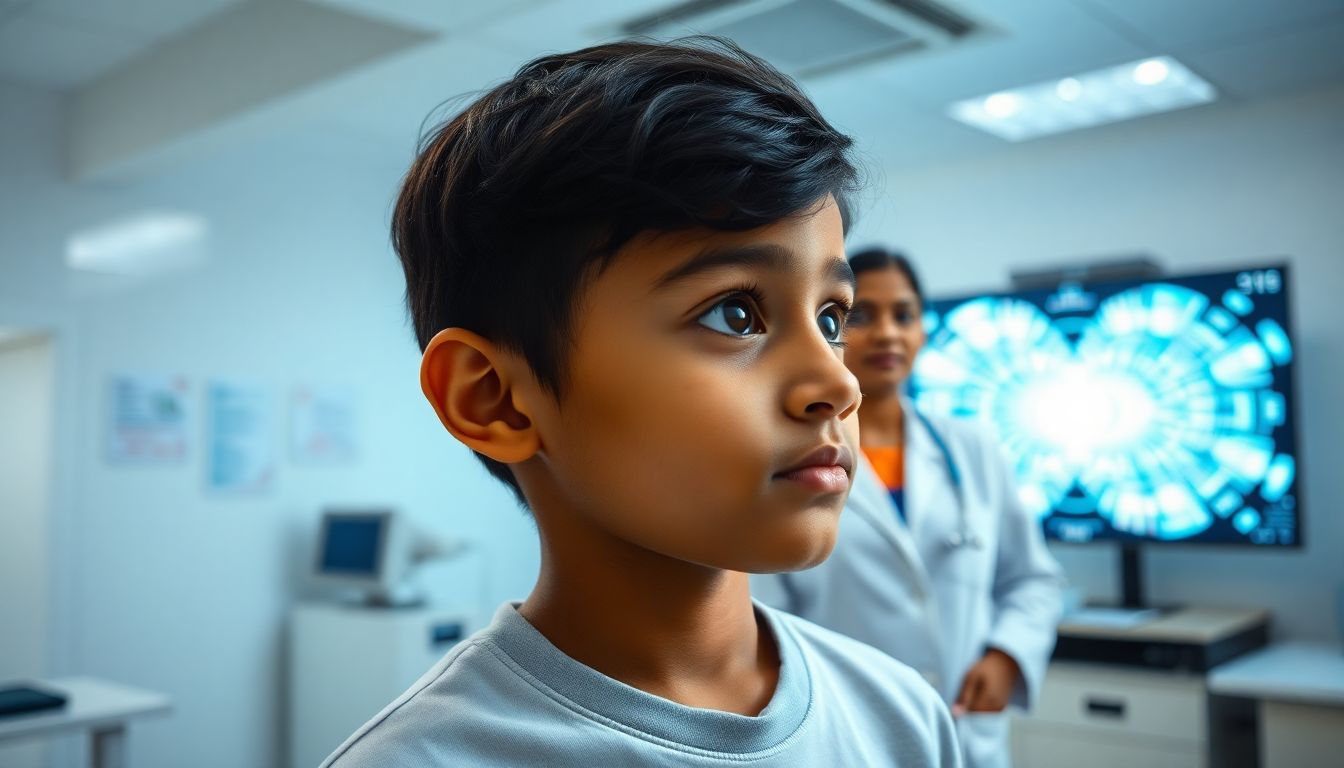
On July 1, JJ Hospital in Mumbai launched India’s first government-run AI-powered Digital Vision Therapy Centre to treat Lazy Eye (Amblyopia) and Binocular Vision Disorders. The new facility was established in collaboration with Bynocs, a global digital therapeutics company, aiming to make advanced, personalized eye care accessible within the public healthcare system.
The centre was officially inaugurated by JJ Hospital Superintendent Dr. Sanjay Surase and the Head of the Department of Ophthalmology, Dr. Sujata Chavan. Health experts noted that the initiative marks a major milestone in bringing cutting-edge ophthalmic technology to government hospitals, reflecting the institution's commitment to offering affordable, high-quality healthcare.
The AI-enabled platform works by analyzing each patient's visual condition following a detailed eye examination. It then generates a customized digital therapy program. This treatment utilizes interactive, game-based visual exercises designed to improve coordination between both eyes, enhance visual acuity, and strengthen binocular vision.
Ophthalmologists at the centre can modify these therapy plans based on individual patient progress, ensuring personalized care throughout the treatment period. A key feature of the facility is its telemedicine-enabled follow-up system. This system allows patients to undergo and continue their therapy from home while doctors remotely monitor their progress using AI-generated performance data, reducing the need for frequent hospital visits and improving treatment compliance.
According to doctors, Amblyopia, commonly known as Lazy Eye, is a developmental vision disorder in which one eye—and occasionally both—fails to achieve normal visual acuity despite appearing structurally normal. It affects approximately 3% to 5% of children and is one of the leading causes of preventable visual impairment if left untreated during the early years.
Binocular vision disorders affect the ability of both eyes to work together to produce a single, clear three-dimensional image. This condition often results in poor depth perception, double vision, or eye strain. While early intervention is crucial for children, advances in digital vision therapy have also shown encouraging outcomes in adults with binocular vision disorders.