Landslide at Old Kasara Ghat blocks traffic on Mumbai-Nashik Highway
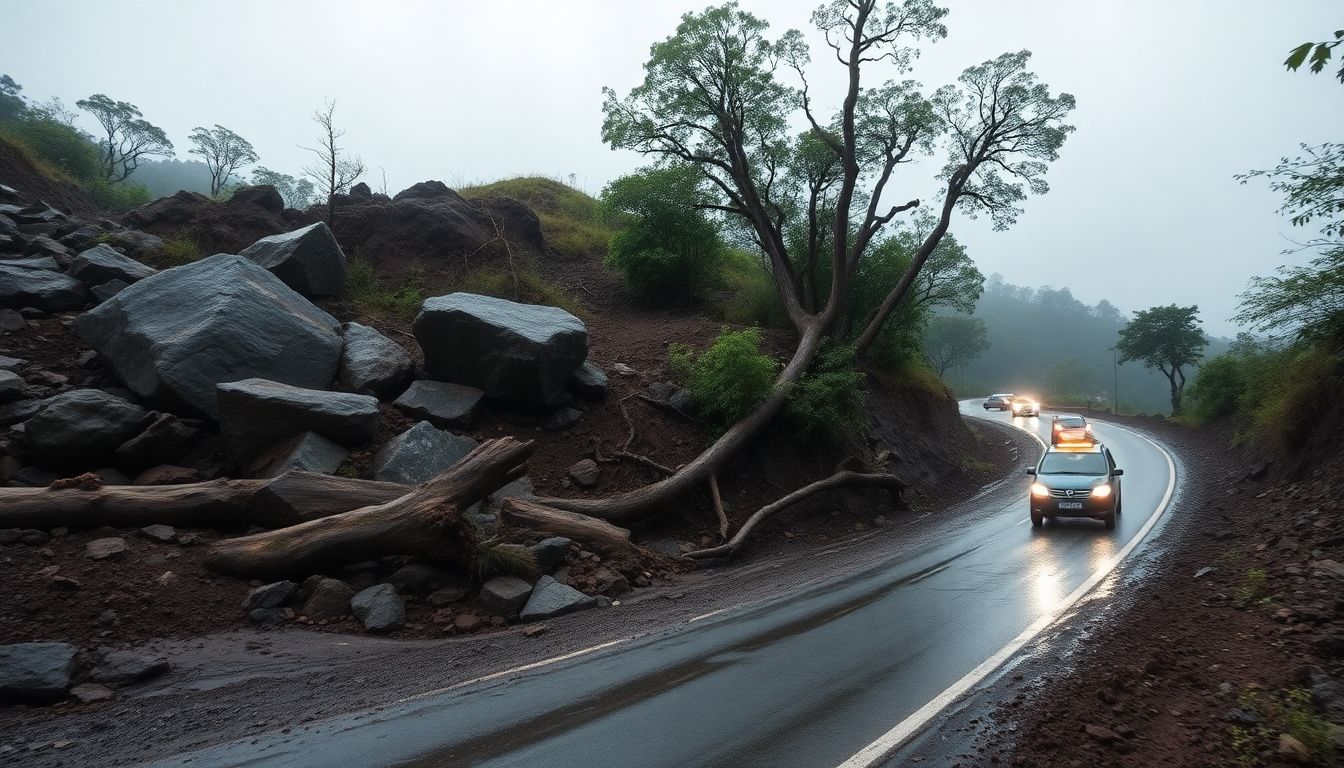
On Tuesday, heavy monsoon rains triggered a landslide at the Old Kasara Ghat on the Mumbai-Nashik Highway in Maharashtra, disrupting traffic and partially blocking the route.
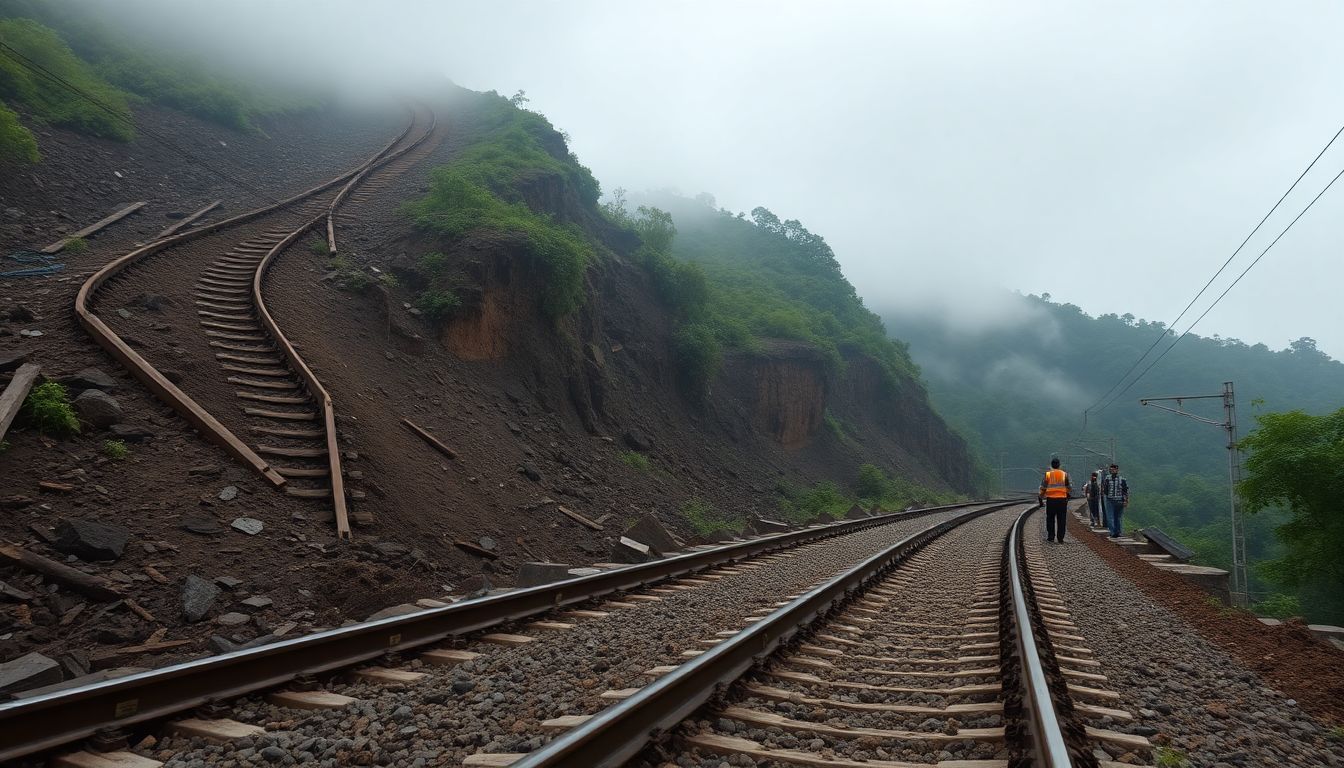
The landslide caused a portion of the hillside to collapse, sending soil, rocks, and trees crashing down onto the roadway. The incident slowed down vehicular movement through the affected ghat section.
Visuals from the site showed large boulders, mud, and uprooted trees scattered across the highway. Vehicles were seen moving cautiously through the stretch as police personnel monitored the situation.
Fortunately, no casualties were reported in the incident. Police and rescue teams rushed to the spot immediately after receiving information and launched clearance operations.
After removing the debris, authorities successfully restored traffic through one lane while ensuring the safety of commuters.
This incident occurred just a day after another rain-triggered landslide affected the region, forcing the closure of the Pune-Mumbai Connecting Link Road on the Mumbai-Pune Expressway's Missing Link project.
That previous landslide, which occurred near the entry of Tunnel 2 around 3 a.m. on Monday, was also caused by torrential overnight rainfall in the Lonavala region. It forced a closure of nearly 19 hours before traffic on the corridor was finally restored at 10:10 p.m. on Monday.
The Maharashtra State Road Development Corporation (MSRDC) completed extensive debris removal, engineering inspections, and safety assessments on the Expressway. Heavy machinery was deployed to clear the debris and clean the affected carriageway, while technical experts inspected Tunnel 2 and the adjoining hillside to ensure no loose rocks or unstable material remained.
Although debris on the Expressway was cleared after nearly 14 hours of continuous operations, authorities delayed reopening the route due to persistent heavy rain, poor visibility, strong winds, and the need for detailed structural inspections. Drone-based surveys were also attempted but were hampered by dense fog, heavy rainfall, and strong winds.