Maharashtra Begins Enforcing Marathi Language Rules for Auto and Taxi Drivers
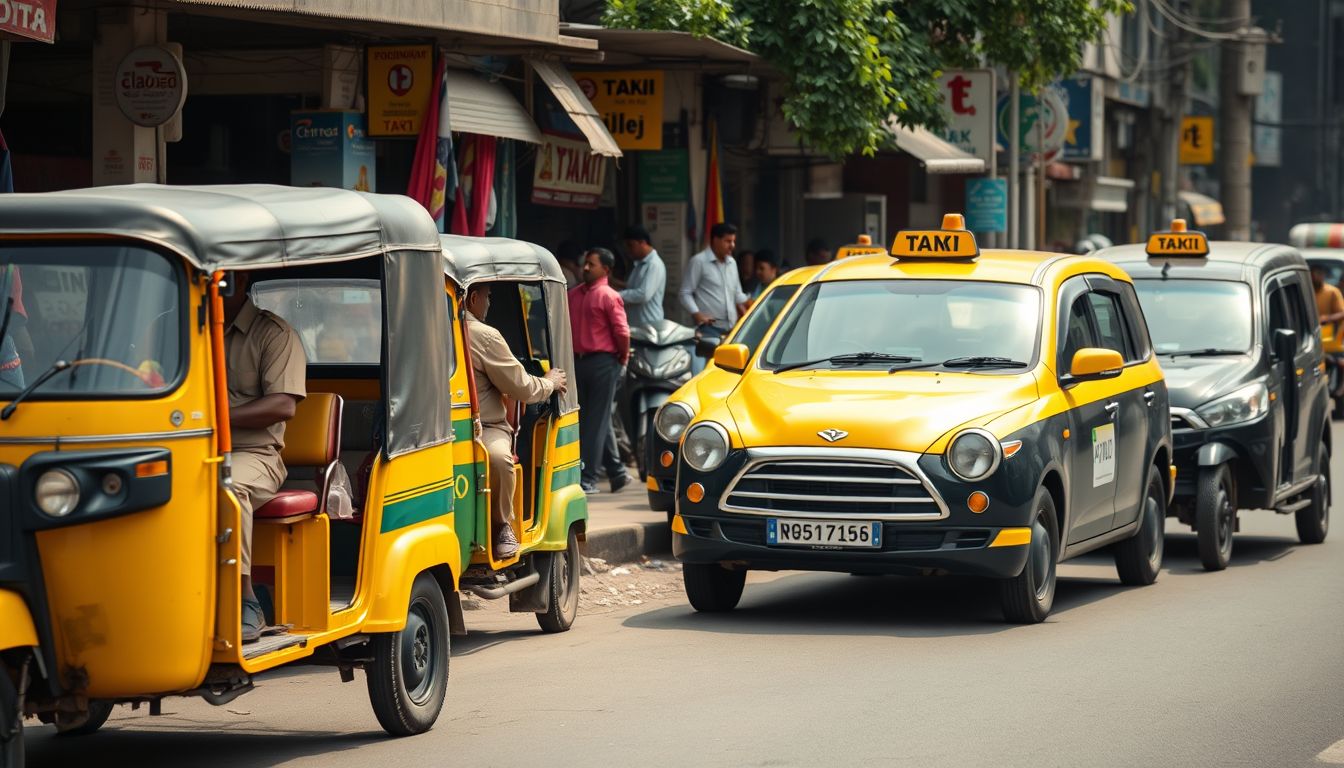
The Maharashtra government began enforcing mandatory Marathi language requirements for auto and taxi drivers on Tuesday, putting drivers who fail to comply at risk of licence suspension and eventual cancellation.
The enforcement follows the conclusion of the 105-day 'Hinduhriday Samrat Balasaheb Thackeray Marathi Language Course Campaign' held in Thane, where Deputy Chief Minister Eknath Shinde announced that approximately 1.25 lakh auto and taxi drivers completed the language course, passed the required examination, and received certificates.
Drivers who have earned their certificates will not face regulatory action. Those who have not yet demonstrated the necessary knowledge of Marathi will not lose their driving permits immediately, but will be given a path of stepped penalties spanning up to four months.
According to Transport Minister Pratap Sarnaik, non-compliant drivers will initially receive a 30-day notice. If a driver fails to satisfy the language requirement after the notice period, their driving licence can be suspended for three months. Continued non-compliance following the suspension period will lead to permanent cancellation of the licence.
Speaking at the ceremony in Thane, Shinde described Marathi as a "language of devotion, not compulsion" and urged citizens to speak Marathi with non-Marathi speakers rather than mocking those who are attempting to learn. He stated that the language should be embraced out of respect rather than fear of legal consequences.
Sarnaik took a firm stance regarding enforcement, remarking that refusal to speak Marathi would no longer be tolerated. He credited Shinde with providing the political initiative behind the training drive and noted that the state Industries Department, led by Uday Samant, allocated Rs 1 crore to support the campaign.
Urban centers across Maharashtra, including Mumbai, Thane, Navi Mumbai, and Pune, house substantial non-Marathi populations, many of whom work in the commercial transport sector. Government officials maintained that the enforcement policy is designed to encourage integration rather than target non-Marathi residents.