Maharashtra Makes Aadhaar Verification Mandatory for All Welfare Schemes
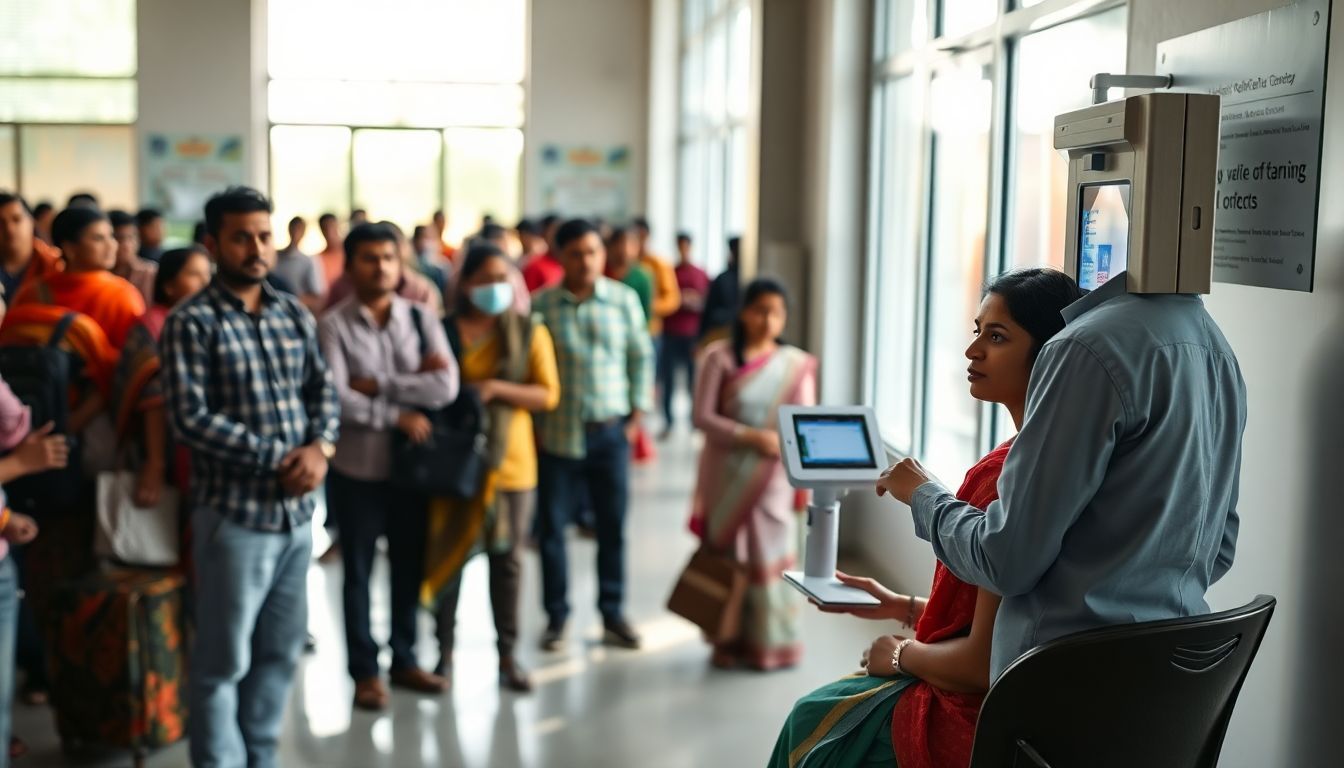
The Maharashtra government on Friday made Aadhaar-based verification and e-KYC mandatory for beneficiaries across all state welfare schemes in Mumbai and throughout the state. The notification was issued by the State Electronics, Information Technology and Artificial Intelligence Department to strengthen beneficiary identification, prevent duplication, and ensure state welfare benefits reach genuine recipients.
The government's decision follows a recent verification drive under its flagship scheme, the Mukhyamantri Majhi Ladki Bahin Yojana. During that clean-up drive, around 92 lakh beneficiaries were removed, reducing the scheme's active beneficiary pool by roughly 38%.
Under the new framework, individuals applying for welfare benefits who do not possess an Aadhaar number must apply to enrol for one. The state has outlined alternative verification mechanisms for applicants who have not yet been assigned an Aadhaar number.
For adult beneficiaries aged 18 years and older, the state will accept the Elector’s Photo Identity Card alongside any one approved document. Accepted documents include a ration card, caste or domicile certificate, Indian passport, driving licence, Class 10 or 12 marksheet, government-issued employee or pensioner identity card, medical or insurance identity card from a government entity, or a disability certificate.
For children under 18 years old who lack an Aadhaar number, guardians must submit an Aadhaar enrolment acknowledgement slip containing the Enrolment ID alongside an age-proof document. Safeguards have been included so that children are not denied benefits if they lack Aadhaar or if authentication fails, allowing them to establish identity and relationship with a parent or legal guardian through a prescribed process.
Specific rules have also been laid down for foreign nationals. OCI cardholders must submit OCI cards, Tibetan refugees require registration certificates issued by the Foreigners Regional Registration Office, and nationals from Nepal and Bhutan must provide passports. Other foreign nationals must furnish an Indian visa or Long-Term Visa alongside a valid or expired foreign passport.
To ensure genuine adult beneficiaries are not deprived of welfare benefits due to technical difficulties with enrolment or authentication, officials have been instructed to follow an exception-handling mechanism. Records of these exception cases will be maintained, reviewed, and audited periodically by the department.
The mandate will apply to 15 schemes for students under 18, 303 individual beneficiary schemes across 27 departments for adults, and 13 schemes where age is not an eligibility criterion, including programs for ex-servicemen.