MSEDCL Study Shows Summer Heat Doubled Electricity Bills For Thane Residents
A study by the Maharashtra State Electricity Distribution Company Ltd (MSEDCL) has revealed that intense summer heat during May and June led to a sharp rise in household electricity consumption in Thane, Kalyan, Dombivli, Badlapur, and Ambernath, nearly doubling monthly power bills for many residents. The study was conducted by the state-owned power utility following complaints from consumers who questioned the steep rise in their electricity bills.
According to the MSEDCL study, average household electricity usage in these areas increased by at least 30 percent compared to the corresponding period last year. The average monthly consumption rose by 145 to 230 units, pushing many households into higher tariff slabs.
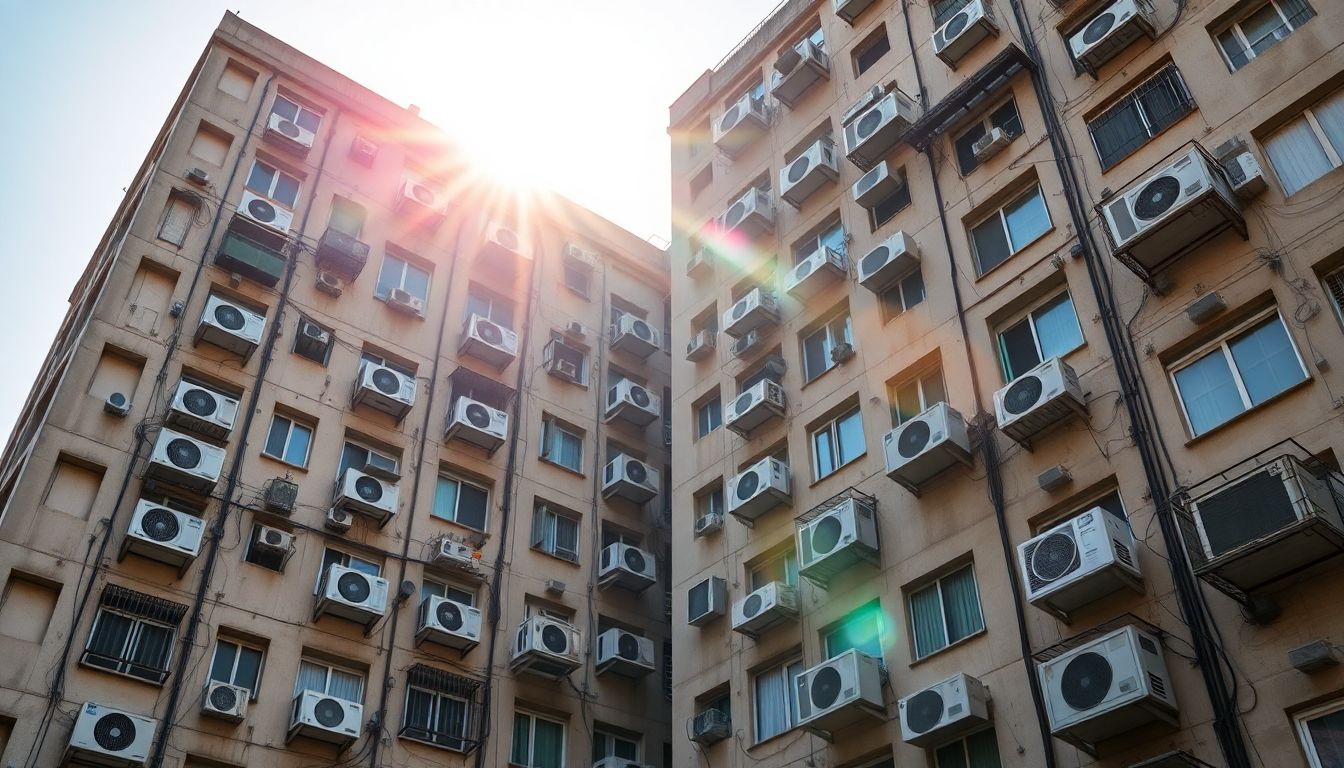
The utility compared temperature and electricity consumption data from May 2025 and May 2026 to assess the impact of the heatwave. The data showed that the average maximum temperature in May 2025 was 38.3 degrees Celsius, which rose to around 43 degrees Celsius in May 2026. This extreme heat led to the increased use of fans, air-conditioners, and other cooling appliances.
An MSEDCL official stated that the study of Thane, Kalyan, Badlapur, Ambernath, and adjoining areas showed the average monthly electricity consumption of a one-bedroom household increased from around 270 units last year to nearly 415 units this year. Consequently, the monthly electricity bill for these households nearly doubled, rising from about ₹2,500 to around ₹5,000.
For two-bedroom households, the study found that electricity consumption increased from an average of 425 units to around 655 units. This resulted in monthly bills rising from approximately ₹4,500 to around ₹8,000.
The official explained that the increased usage pushed many consumers beyond their usual consumption slabs of under 300 units per month. Instead, they entered higher tariff categories, including those above 500 units, which significantly increased the overall cost per unit.