Mumbai water levels drop to 8.3 percent in reservoirs across Thane and Nashik
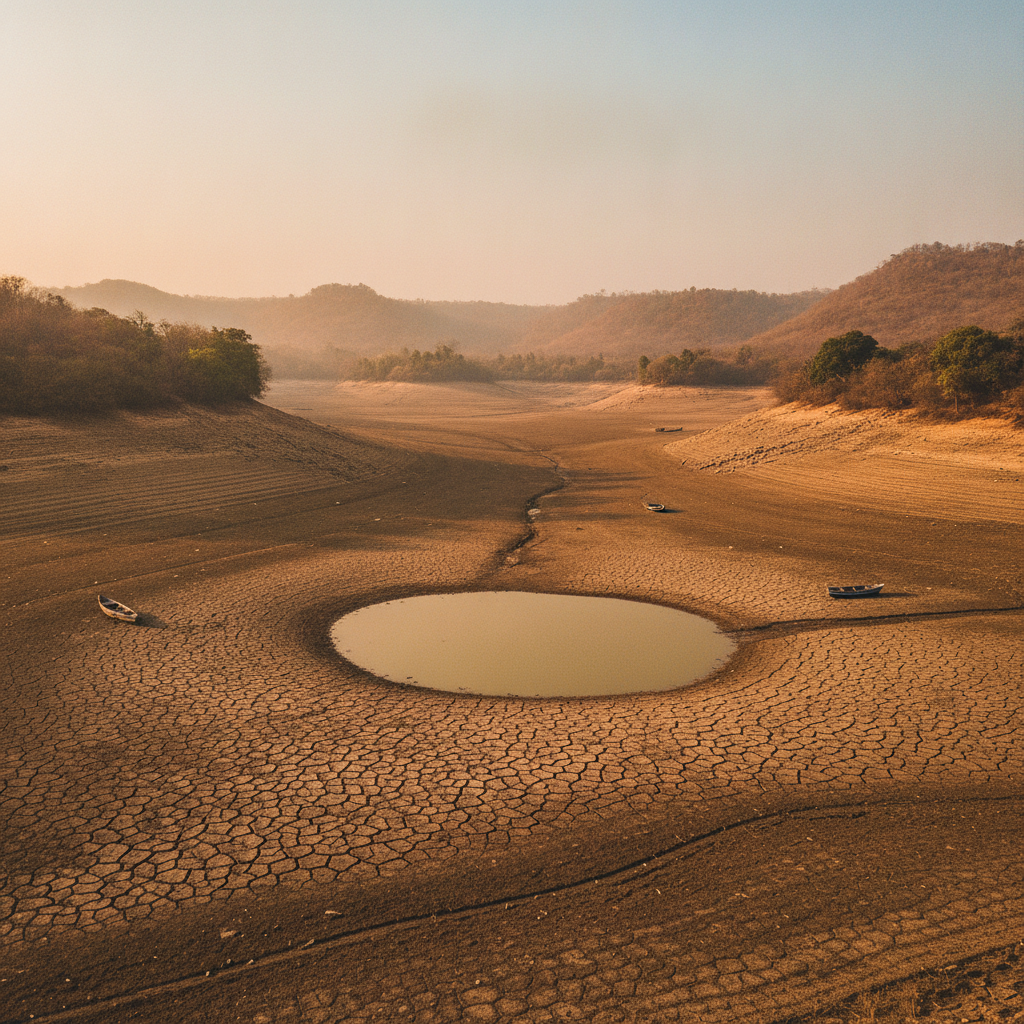
The combined water levels in the seven reservoirs that supply water to Mumbai, five of which are located in the neighbouring Thane and Nashik districts, have dropped to 8.3% of their total useful capacity as of June 22, 2026. According to data released by the Brihanmumbai Municipal Corporation’s (BMC) Hydraulic Engineer’s Department, a delayed monsoon in Maharashtra has left the region with just over 30 days of water supply remaining in its reservoirs.
To manage the depleting resources, the BMC has had a 10% water cut in place since May 15, 2026, as a precautionary measure. The civic body has been supplying around a daily limit of 3,950 million litres of water to meet the city's demands, which has contributed to the steady decline in the reservoirs.
As of 6 a.m. on Monday, June 22, 2026, the total water storage across the seven lakes stood at 1,20,712 million litres. This is a small fraction of the combined useful capacity of 14,47,363 million litres across the entire system. The current levels are significantly lower than those recorded around the same time last year, when the combined useful water levels stood at 25.87% as of June 21, 2025.
Mumbai receives its water supply from seven lakes. While the two smallest reservoirs, Tulsi and Vihar, are located within Mumbai, the other five are situated in the neighbouring Thane and Nashik districts. Water levels in the larger reservoirs, including Bhatsa, Tansa, and the two reservoirs in the Vaitarna system, have dropped to critically low levels.
Bhatsa, which is the largest of the seven reservoirs with a total capacity of 7,17,037 million litres, currently holds just 54,918 million litres of useful stock for the city as of Monday. This represents only 7.66% of its total capacity.
With the monsoon delayed and daily water demand continuing, the water levels in these reservoirs have steadily declined over the past month. The remaining water supply is expected to last for just over 30 days if the dry spell continues.