Over 2,500 MT Garbage Washes Up on Mumbai Beaches Following Heavy Rains
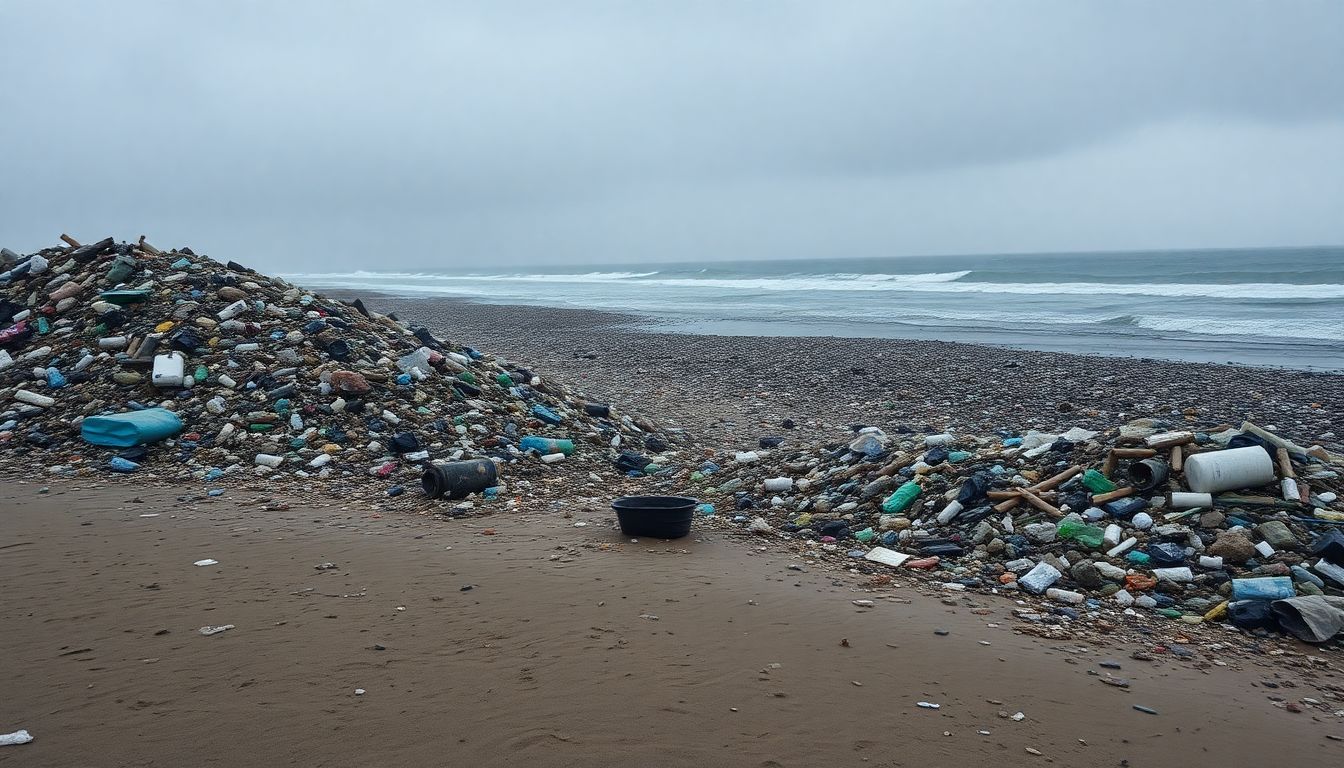
Following a week of heavy monsoon rains and high tides, more than 2,500 metric tonnes of garbage washed up across Mumbai's coastline, with Juhu Beach accounting for over 72 per cent of the total accumulation. The Brihanmumbai Municipal Corporation (BMC) undertook cleanup operations across multiple shorelines, including Versova, Dadar Mahim Chowpatty, Chimbai, Madh Marve, Gorai, and Girgaon Chowpatty, civic data revealed on July 27, 2026.
The surge of ocean litter exposed the scale of plastic waste, thermocol, clothes, wooden debris, and household refuse flowing into the Arabian Sea through city drains and stormwater outfalls. High tidal waves during the monsoon prevented floating waste from dispersing into the sea, pushing it back onto the beaches instead.
According to BMC figures, Juhu Beach alone recorded 1,824 metric tonnes of waste. Versova saw 277.6 MT, Dadar Mahim Chowpatty recorded 152 MT, Chimbai had 127.2 MT, Madh Marve saw 44.24 MT, Gorai had 38.82 MT, and Girgaon Chowpatty registered 33.66 MT. Civic officials attributed Juhu's high volume to multiple stormwater drain outfalls discharging directly into the sea, combined with dense residential catchments in the western suburbs.
The wash-up occurs alongside elevated water pollution levels along the city's coastline. A study by the BMC's sewerage department revealed Biochemical Oxygen Demand (BOD) levels of around 100 mg per litre in seawater samples from Bandra and Versova, and nearly 50 mg per litre at Juhu. These figures significantly exceed the Central Pollution Control Board's limit of 10 mg per litre for coastal waters.
Environmental experts warned of severe ecological impacts. Shaunak Modi, marine ecologist and Director of the Coastal Conservation Foundation, noted that plastic waste on beaches prevents burrowing organisms like crabs from emerging. He added that waste collected from beaches often ends up in landfills near mangroves, generating leachate that pollutes adjoining water bodies during rains.
To mitigate floating debris entering sea waters, the BMC has installed trash booms with submerged nets at 21 stormwater outfalls, including locations along the Dahisar, Poisar, and Mithi rivers. Civic officials plan to expand these barriers to all 82 stormwater outfalls over the next five years. However, Rahul Ahir, professor of wastewater engineering, emphasized that intercepting waste downstream cannot replace fixing inadequate solid waste management and preventing dumping at the source.