Redevelopment Wave Threatens Mumbai Infrastructure, NatConnect Study Warns
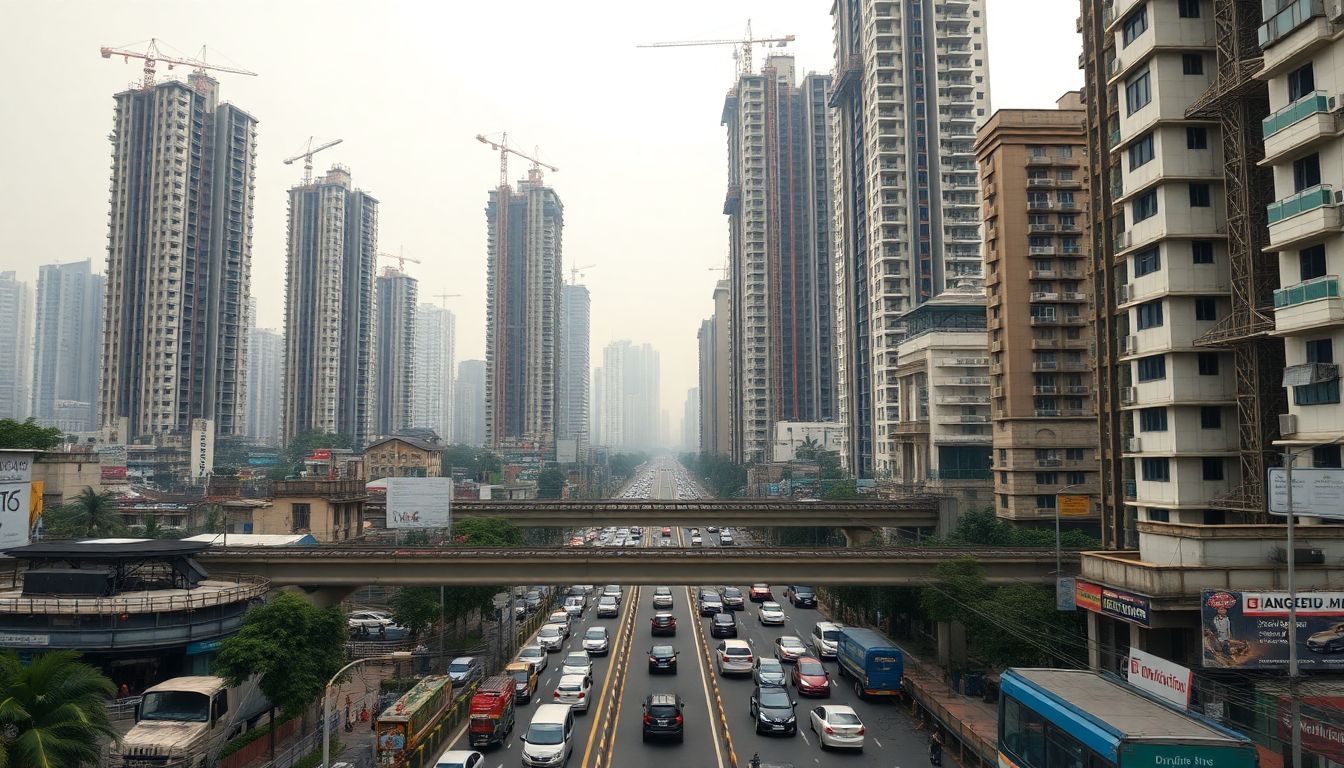
A massive redevelopment wave across Mumbai and the Mumbai Metropolitan Region risks deepening existing urban pressures rather than relieving them, according to a study titled 'The City We Are Rebuilding' released by the NatConnect Foundation. The report warns that the surge in high-density construction is placing severe cumulative stress on the region's civic systems, including water networks, power supply, roads, public transport, sewage treatment, fire response, and natural environmental buffers.
NatConnect Foundation director B N Kumar stated that redevelopment planning can no longer be evaluated on an isolated, building-by-building basis. Kumar noted that while individual towers may comply with plot-level development norms, thousands of new apartments and increased built-up density simultaneously drive up demand for basic utilities while reducing natural buffers that protect the city against heat and flooding. The central concern, he highlighted, is whether surrounding neighbourhoods and the broader metropolitan region possess the carrying capacity to absorb this combined burden.
The report identifies water availability as an immediate constraint for Mumbai. The city's current municipal water supply stands at approximately 4,000 million litres a day (MLD), whereas projected demand is expected to reach 6,535 MLD by 2041. Although proposed water supply projects from Gargai, Pinjal, and the Damanganga-Pinjal link are estimated to add 2,891 MLD, rising density continues to threaten long-term supply stability.
Electricity infrastructure is likewise projected to encounter steep demand spikes due to higher population density and cooling requirements. The study notes that Maharashtra recorded a peak power demand of 25,530 MW on October 1, 2026, with overall demand projected to hit 30,892 MW in 2026-27, 39,000 MW in 2031-32, and 41,956 MW in 2033-34.
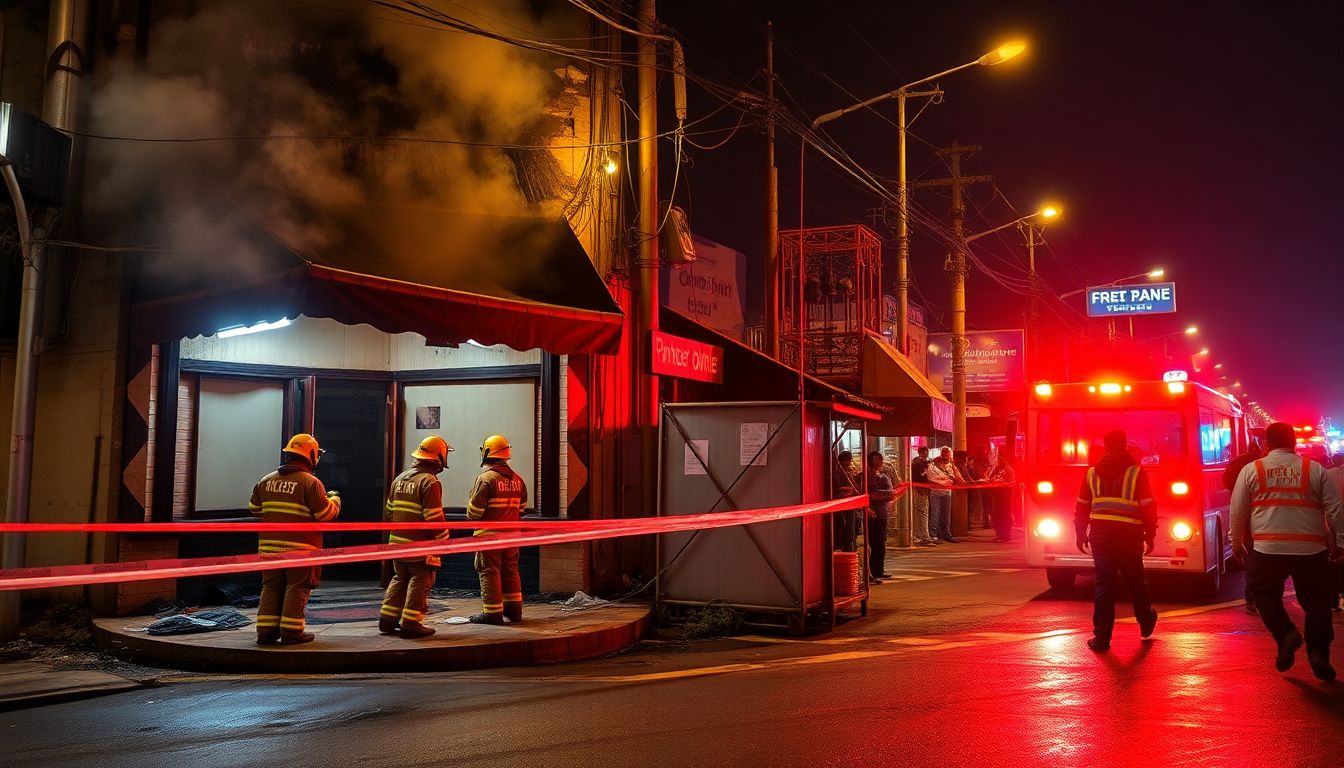
Fire safety in high-rise clusters represents an additional operational challenge. Mumbai currently operates a 90-metre hydraulic aerial platform and is procuring a 104-metre platform, responding to a 2026 Maharashtra state direction mandating high-rise firefighting capabilities for structures exceeding 70 metres. The study cautions that aerial equipment alone cannot ensure floor-to-floor emergency coverage unless statutory approvals strictly evaluate approach roads, deployment zones, fire lifts, hydrants, refuge areas, smoke-control systems, and evacuation paths.
Reacting to the findings, Navi Mumbai Nagrik Manch convenor Shrikant Patki pointed to a growing divide between vertical growth and civic capacity. Patki called for mandatory, transparent carrying-capacity assessments prior to clearing high-density redevelopment projects, urging planning authorities to look beyond floor space index calculations and focus on overall urban liveability.