RTI Reply Reveals Lack of Debris Management System in Navi Mumbai
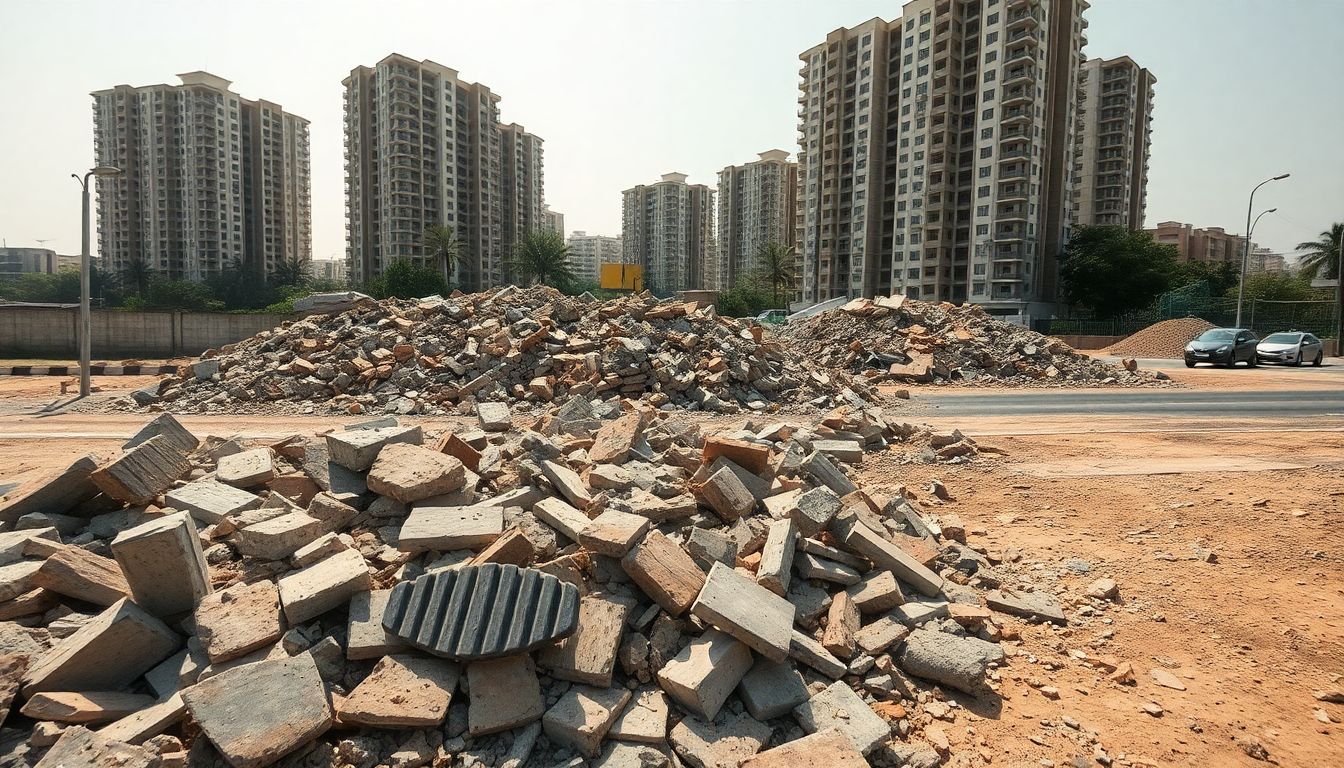
A Right to Information inquiry has revealed the absence of a comprehensive construction and demolition waste management system in Navi Mumbai, raising questions over how local civic authorities enforce rules against illegal dumping without offering designated disposal facilities. Responses from planning agency CIDCO confirmed that information regarding official dumping sites and waste processing infrastructure was not available.
The RTI application was filed by Sajag Nagrik Manch member Bhimrao Sadaram Jamkhandikar with both the City and Industrial Development Corporation (CIDCO) and the Navi Mumbai Municipal Corporation (NMMC). The application sought details regarding official debris disposal policies, citizen disposal facilities, authorised transport agencies, processing plants, and penalty mechanisms amidst rapid infrastructure expansion in the region, including Metro works, concrete roads, flyovers, and redevelopment projects.
In its official reply, CIDCO stated that information regarding an official debris disposal policy, designated dumping sites, citizen disposal facilities, processing infrastructure, and authorised transport agencies was not available. Jamkhandikar subsequently filed a First Appeal.
During the appeal hearing, CIDCO officials clarified that no unified city-wide debris management system exists across its jurisdiction. Instead, individual project execution departments include project-specific contract clauses, with construction waste frequently directed to low-lying areas based on individual project needs.
Meanwhile, the NMMC failed to respond to the identical RTI application within the statutory timeframe, prompting the applicant to file a First Appeal against the municipal corporation as well.
Sajag Nagrik Manch cited claims from an anonymous civic infrastructure contractor stating that road excavation debris is routinely transported through private arrangements to locations in Uran, Ulwe, and surrounding areas due to the lack of official facilities. The organisation noted these claims could not be independently verified.
The issue of illegal debris dumping previously reached the Bombay High Court regarding dumping in the Vahal area. Following court proceedings, the state Urban Development Department constituted a high-level committee in January 2024, headed by CIDCO's Joint Managing Director, though activists maintain that little visible progress has been made toward establishing an integrated system.
Sajag Nagrik Manch has urged authorities to formulate a joint debris policy for CIDCO and NMMC areas, notify authorised dumping sites, launch a "Debris on Call" service, build processing plants, implement digital tracking permits, and make debris disposal plans mandatory for major construction projects.
"Action against illegal debris dumping is necessary. However, before imposing penalties, the administration has a statutory responsibility to establish a transparent and accessible official debris management system for citizens, contractors and public projects alike," said Jamkhandikar. "The real issue is not merely illegal dumping, but the absence of authorised alternatives. Navi Mumbai urgently needs designated dumping sites, modern processing facilities, a 'Debris on Call' service and a transparent digital management system."