Sion Hospital Thalassemia Patients Denied Free Blood Transfusions Despite Mumbai Stocks
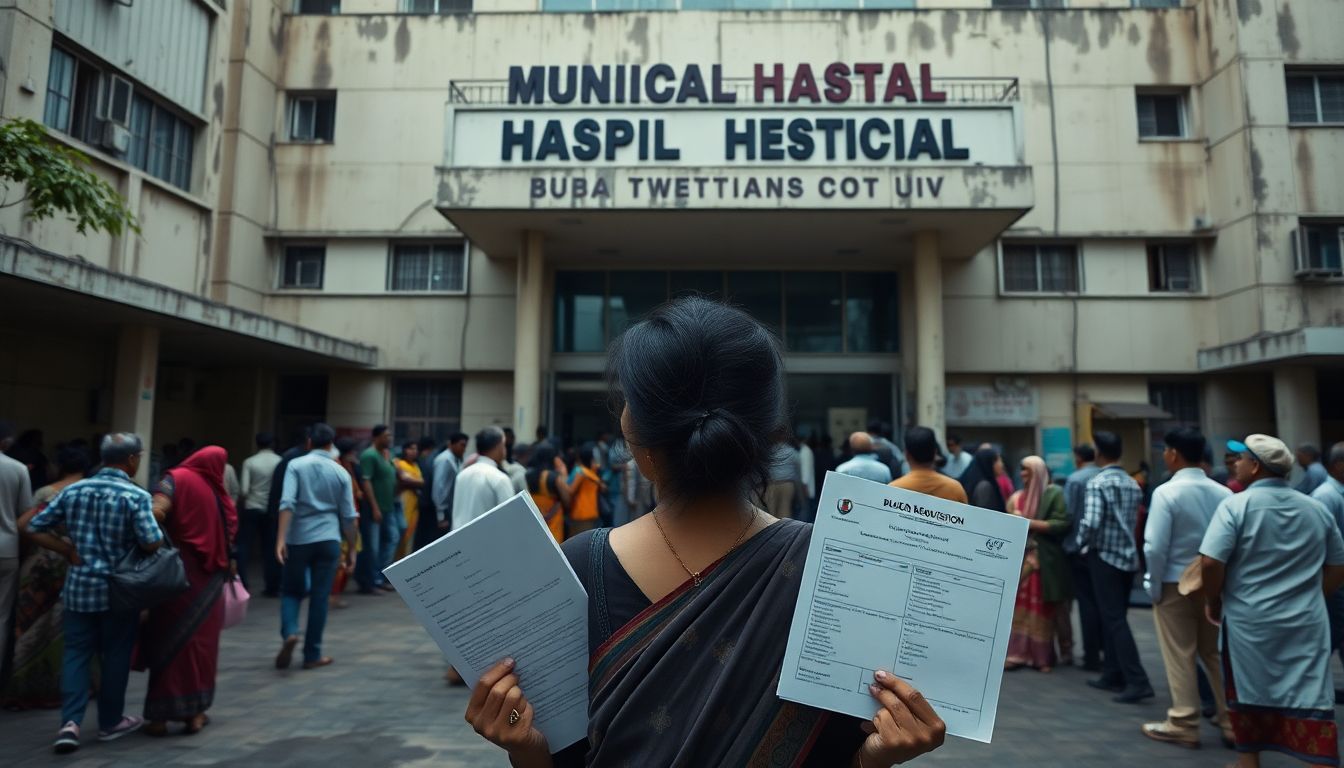
Thalassemia patients referred from the public hospital in Sion, Mumbai, are facing severe delays and denials when attempting to access free blood transfusions, despite adequate blood stocks across the city's blood banks. On July 1, patients and social activists reported that many transfusion-dependent individuals are being turned away or forced to search multiple facilities, highlighting failures in the implementation of the Maharashtra government's free transfusion policy.
One patient, Sandhya, spent nearly five hours searching for blood across various blood banks in the city before she finally received a transfusion. According to Sandhya, she had to move from one blood bank to another throughout the morning, noting that the access issues become particularly severe between April and June every year.
Thalassemia patients require regular blood transfusions every two to four weeks to avoid severe anemia, growth retardation, organ damage, and other life-threatening complications. Under the guidelines of the State Blood Transfusion Council (SBTC) and the Maharashtra government, these life-saving transfusions must be provided free of cost through designated blood banks. In 2024, the SBTC even directed private blood banks to reserve blood units specifically for thalassemia patients to ensure uninterrupted treatment.
Activists allege that several blood banks, including some run by the government, are reluctant to provide free blood to patients referred from public hospitals like the one in Sion. These facilities reportedly fear that accepting these patients will attract too many beneficiaries and place an unsustainable strain on their inventories.
Patient organizations have called on the SBTC and the state health department to enforce the free blood policy strictly rather than just issuing circulars. They have demanded regular monitoring of blood banks, greater accountability, and an effective mechanism to ensure that eligible patients are not denied treatment despite adequate blood availability.
In response to the complaints, Dr. Suhas Mohanalkar, Director of the SBTC, urged affected patients to report their issues directly. He stated that if any eligible patient is denied blood or faces unnecessary hardship, they should file a complaint with the SBTC, promising prompt investigations and action against the non-compliant blood banks.