Thane District Faces Severe June Rainfall Deficit As Reservoirs Drop To 6.75 Percent
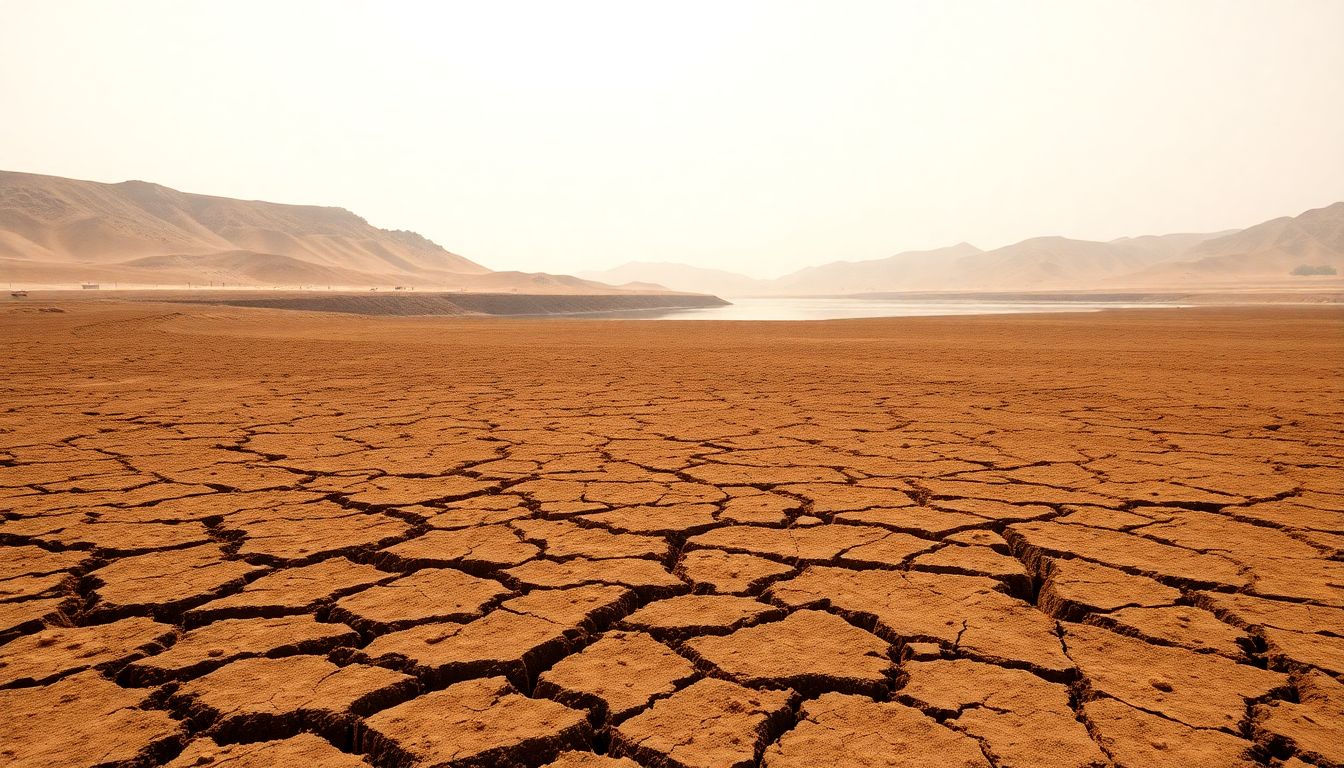
Thane district, including the key paddy-growing belt of Shahapur taluka, recorded a severe monsoon rainfall deficit in June 2026, triggering widespread concern among local farmers and water resource officials. A delayed and weak onset of the southwest monsoon has left agricultural fields dry and depleted key reservoirs that supply drinking water to the region.
According to official rainfall data up to June 30, 2026, Thane district received just 126.6 mm of rainfall through the end of June. This marks a sharp decline from the 539.4 mm recorded during the same period in 2025, representing a shortfall of 412.8 mm. Overall, the district received only 27.4% of its normal June rainfall.
The deficit was particularly severe in Shahapur taluka, which registered only 76.6 mm of rainfall compared to 539.6 mm in June last year. This deficit of nearly 463 mm means the taluka received barely 14% of its June 2025 total, or 18.2% of its long-term June average of 421.9 mm.
Other talukas across the district experienced similar declines. Ambarnath recorded just 70.6 mm of rain, down from 465.3 mm in June 2025. Kalyan registered 97.8 mm compared to 453.9 mm last year, while Bhiwandi received 121.5 mm, down from 532.2 mm. Ulhasnagar recorded 123 mm against 481.8 mm last year, and Murbad saw its rainfall drop to 163.5 mm from 646.7 mm in June 2025.
This prolonged dry spell has disrupted the ongoing Kharif sowing season. While farmers have prepared paddy nurseries, the lack of water accumulation in the fields has delayed the crucial transplantation process. Sharad Shankar Bhalke, a farmer from Nadgaon in Shahapur, noted that fields lack sufficient water compared to last year, warning that further delays in heavy rainfall will hurt crop production.
The weak monsoon has also impacted regional water reserves. Major reservoirs located in Shahapur, including Bhatsa, Tansa, and Modak Sagar, have seen lower-than-expected inflows. As of June 30, the seven major reservoirs supplying water to Mumbai collectively held only 6.75% of their live storage capacity, leaving water resource officials dependent on heavy July rains to restore levels.