Thane Sessions Court grants anticipatory bail to husband and in-laws
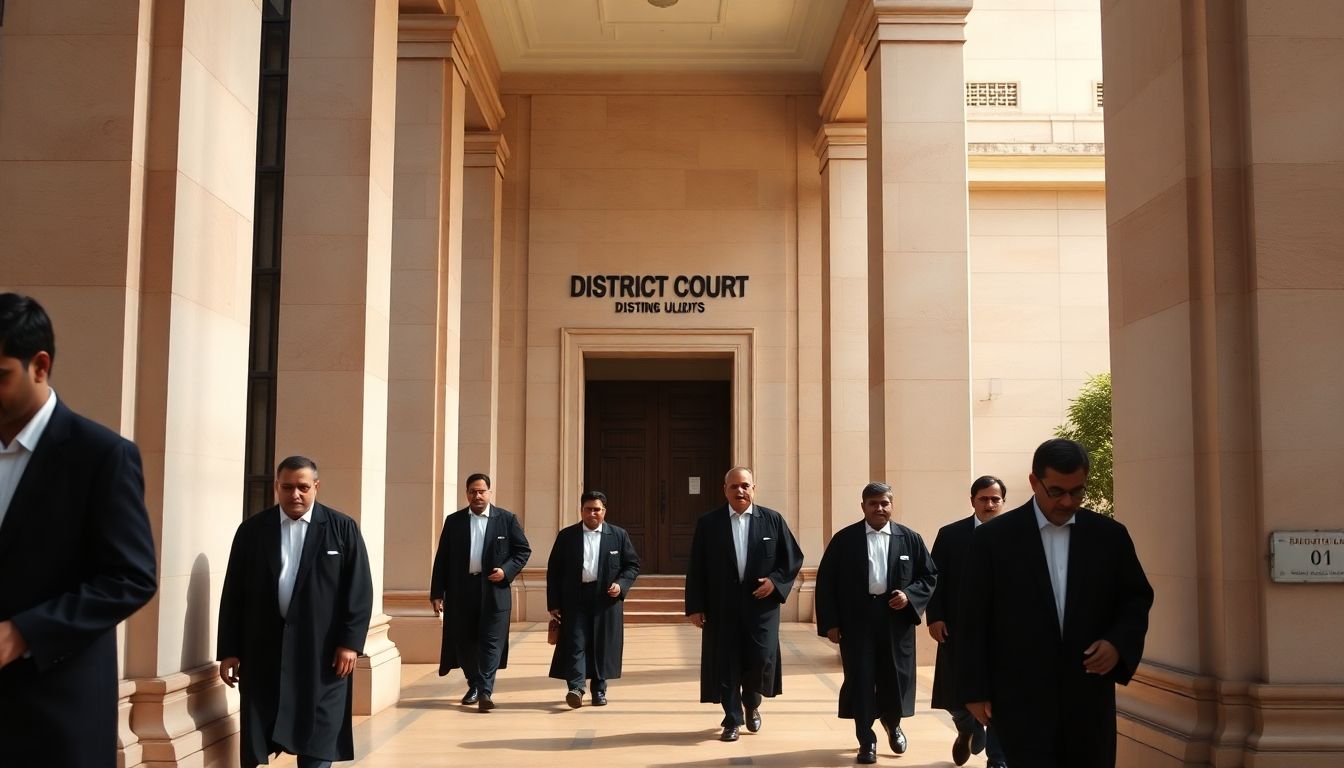
The Thane Sessions Court has granted anticipatory bail to a husband, his father, and his brother who were accused of cruelty, outraging modesty, and criminal intimidation in a matrimonial dispute. Additional Sessions Judge B.D. Shelke ruled that disputes over monetary transactions and the recovery of 'stridhan' property cannot be used as grounds to deny bail.
The complainant married the accused on May 13, 2025, and later filed a First Information Report (FIR) alleging that her family had spent around Rs 37 lakh on the wedding. She accused her in-laws of making unlawful monetary demands, forcibly taking money from her, threatening her, and retaining her stridhan. She also alleged that her father-in-law made inappropriate remarks to outrage her modesty.
Opposing the bail plea, the prosecution and the complainant argued that the accused could threaten witnesses and tamper with evidence if they were granted protection from arrest.
However, the defence argued that the FIR was lodged more than six months after the complainant left the matrimonial home, and only after negotiations for a mutual divorce had failed. The defence noted that the complainant, a Chartered Accountant, had made substantial monetary demands during the divorce talks. They also highlighted the advanced age and medical condition of the father-in-law, arguing that custodial interrogation was unnecessary.
In his ruling, Judge Shelke observed that the documents on record primarily reflected monetary transactions between the parties. He noted that the complainant appeared to be more concerned with money and her stridhan property, which cannot justify the rejection of anticipatory bail. The court found that the allegations against the husband were largely confined to not supporting his wife and siding with his family.
Citing prior judgments from the Bombay High Court and the Punjab and Haryana High Court, the court reiterated that criminal proceedings are not meant to recover stridhan or money. The court held that custodial interrogation was unnecessary and there was no likelihood of the accused absconding, adding that the nature of the allegations would be determined during the trial.