Heavy Rain Floods Andheri Roads and Forces Closure of Andheri Subway
Heavy rainfall lashed Mumbai on Saturday, triggering widespread waterlogging, traffic disruptions, and key road closures across Andheri and other parts of the city as the India Meteorological Department (IMD) issued a red alert. The relentless downpour, which occurred between 8 am and 8 pm, forced the Brihanmumbai Municipal Corporation (BMC) to shut all schools and colleges for the afternoon session.
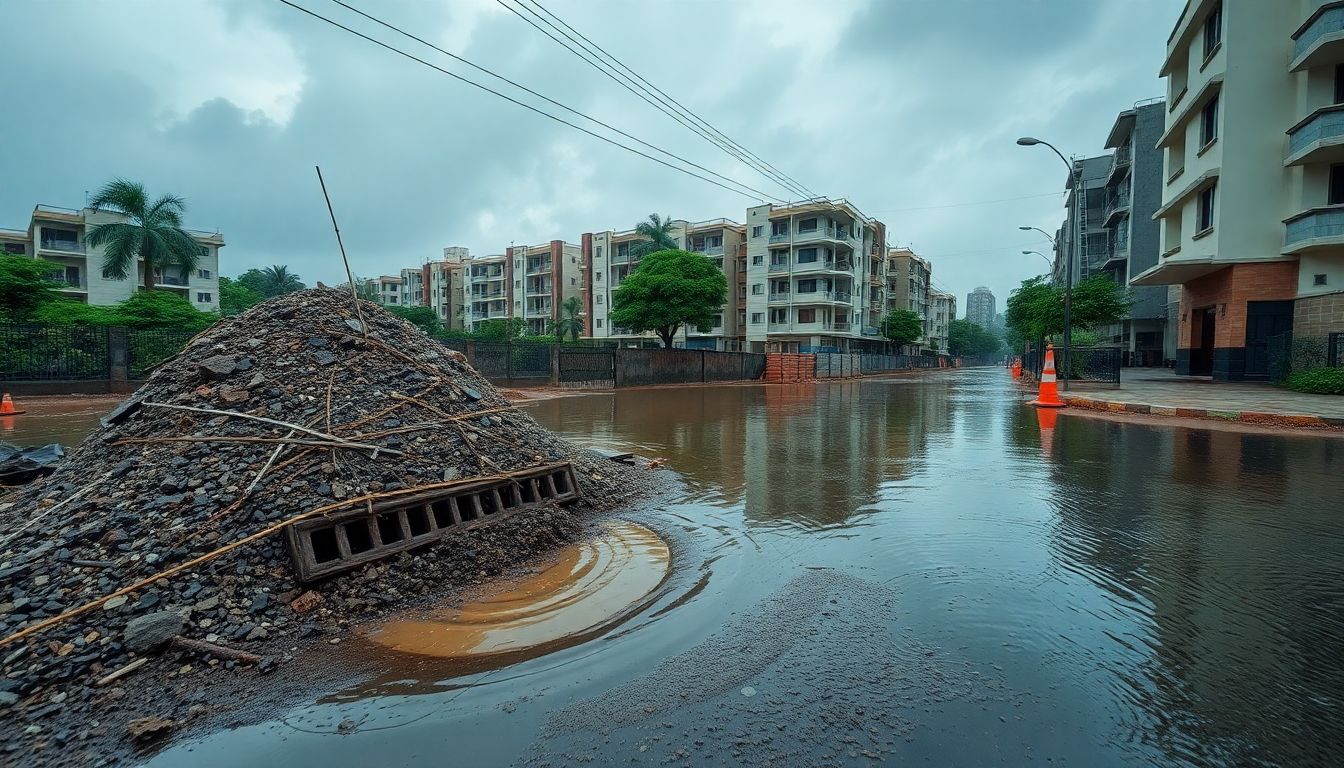
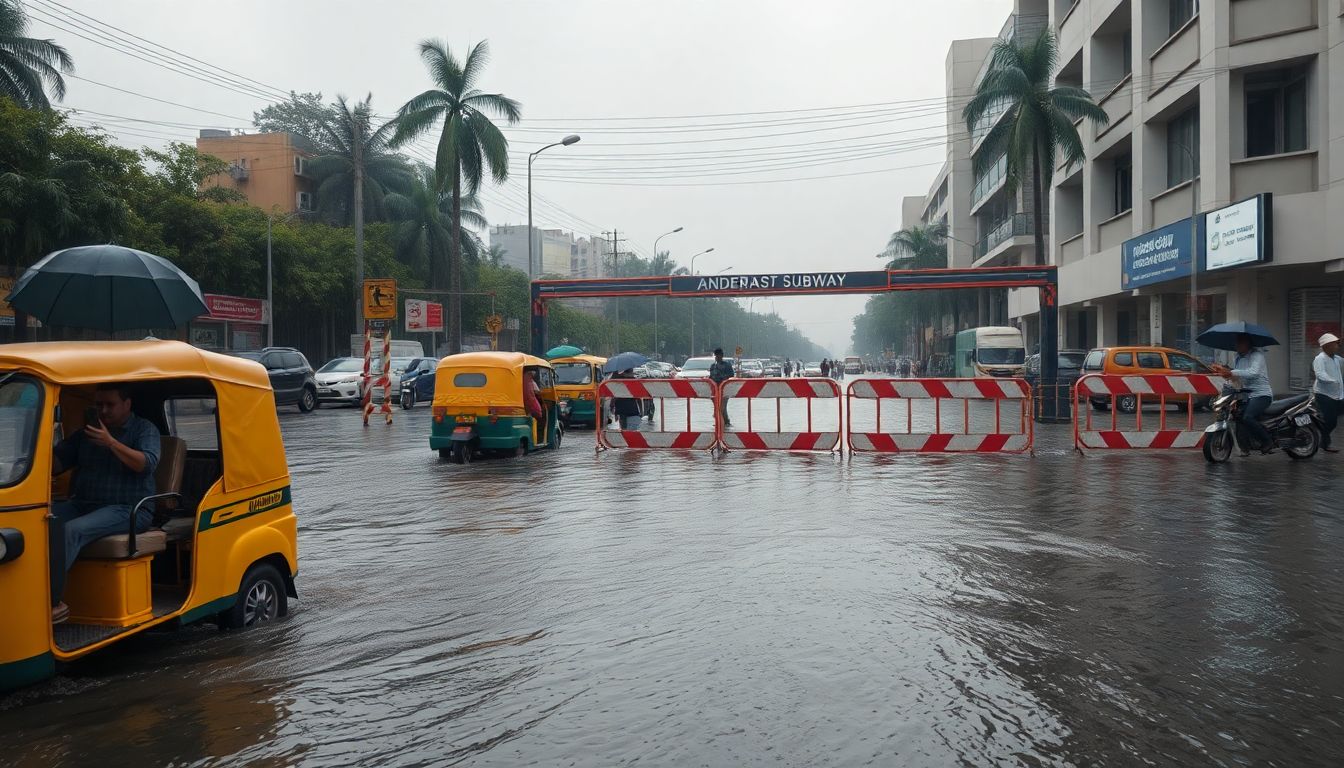
In Andheri, the Mogra Nallah—one of the area's major stormwater drains—and several connected smaller drains overflowed, sending floodwaters onto surrounding roads. As a precautionary measure, civic authorities shut down several key routes, including Veera Desai Road, Swami Vivekanand (S V) Road, and the Andheri Subway. While some city roads were later reopened, the Andheri Subway and portions of S V Road remained closed due to persistent waterlogging.
The western suburbs, which include Andheri, recorded an average of 168 mm of rain during the 12-hour period on Saturday. The IMD's Santacruz observatory recorded 164.1 mm of rainfall between 8 am and 5:30 pm. Other waterlogged areas in the western suburbs included Vile Parle, Santacruz, Goregaon East, and Dahisar.
The deluge, combined with a 4.26-metre high tide at 2:50 pm, caused flooding in other parts of Mumbai, including Kurla, Chembur, Powai, Bhandup, Hindmata, and Wadala. In Bhandup, a major 100 ft x 100 ft road cave-in occurred on LBS Marg, though no casualties were reported. Public transport was also hit, with Western Railway services delayed by 20 to 25 minutes due to water on the tracks between Nalasopara and Vasai, and BEST diverting buses at 21 locations.
Sushma Nair, a senior scientist at the IMD, noted that the rain's intensity was not unusual for July, citing historical data where single-day rainfall exceeded 250 mm to 300 mm.
The IMD's red alert is set to remain in place until 8:30 am on Monday, with an orange alert issued for the rest of Monday. Bikram Singh, director of IMD Mumbai, stated that an active monsoon phase and an off-shore trough are driving the current system, which is expected to move northwards starting July 7, gradually reducing rainfall activity.