Mumbai Metro One to Launch Short-Loop Trains Between Andheri and Ghatkopar
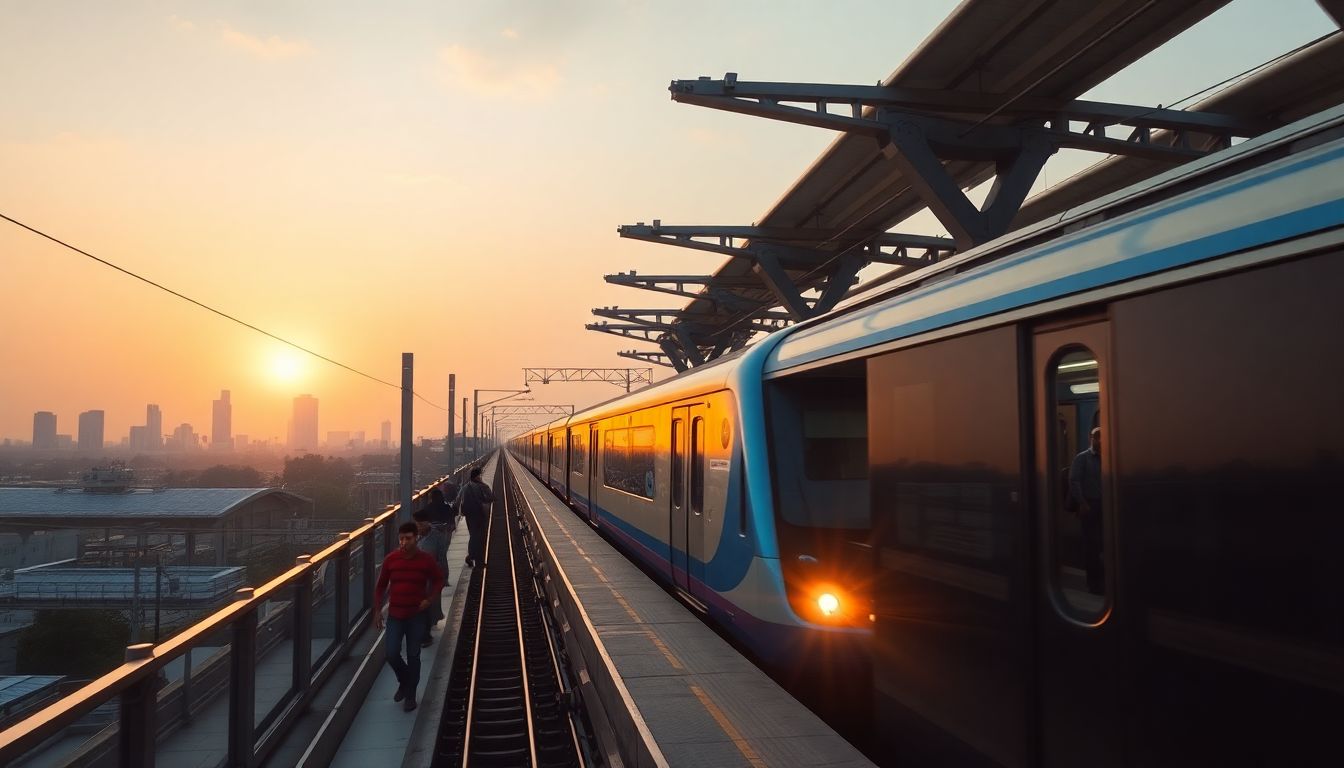
Mumbai Metro One will introduce a new mixed-loop operating pattern on the Versova-Andheri-Ghatkopar corridor starting Monday, August 10, aiming to boost train frequency and carrying capacity in Andheri and along the entire route during evening peak hours. Under the revised operational schedule, trains will alternate between a short loop running between Ghatkopar and Andheri and the existing full loop operating between Ghatkopar and Versova.
The operational change is tailored to benefit passengers travelling between Andheri and Ghatkopar, which stands as one of the busiest stretches on the 11.4-kilometre metro line. During evening peak hours, one train will operate on the short Ghatkopar-Andheri loop, followed by the next train running on the standard Ghatkopar-Versova route.
Under this new arrangement, the short-loop services will run specifically during the evening peak period. The first short-loop train is scheduled to depart from the Andheri Down Platform at 6:23 pm, while the final short-loop train of the evening will depart at 8:23 pm.
The revised schedule will reduce peak-hour headway on the Andheri-Ghatkopar section from 3 minutes 20 seconds to 3 minutes. Mumbai Metro One reported that this reduction in headway will increase carrying capacity on the section by more than 20 per cent. This adjustment translates to an additional capacity of around 28,000 commuters during peak travel times. The operator expects the change to benefit more than 85 per cent of Mumbai Metro One commuters who travel between Ghatkopar and Andheri.
With the rollout of the mixed-loop pattern, the total number of weekday services across the line will rise from the current 476 trips to 484 trips. On the Versova to Azad Nagar stretch, the peak-hour headway will be 362 seconds.
Speaking on the initiative, Shyamantak Choudhury, CEO of Mumbai Metro One, said the mixed-loop operation forms part of efforts to maximise the carrying capacity of existing infrastructure, as quoted by Lokmat Times. The operator stated that the new pattern aims to bring higher train frequency, cut waiting times, and provide faster, more reliable transit services while making more efficient use of the metro network.